

 More about our service
- What we doBack up
As a team we aim to promote, restore and maintain your physical capabilities, function and wellbeing. We provide specific advice and treatment to help you improve your function, return to your activities, and improve and maintain your quality of life.
Here at NHFT our physiotherapists are highly skilled, independent practitioners. Each specialises in their own areas of further learning and specific skill sets.
Musculoskeletal (MSK) physiotherapy relates to physiotherapy for the injured and/or problematic areas of the muscular and skeletal system. This includes:
- Muscles and tendons
- Joints, ligaments and cartilage
- Fractures / broken bones
- Nerves
Advanced Physiotherapist Practitioners (APPs) are highly specialised clinicians who work at a higher level of varied advanced practice. Skills include:
- Diagnostics* (such as x-rays, MRIs and blood tests)
- Injection therapy
- Independent prescribing
- Provision of a fit note (Med3)
* Please note, we cannot request diagnostics for anyone under the age of 18 years.
- Your careBack up
Our care for you as a patient of the MSK Physiotherapy service aims to give you:
- A better understanding of your problem
- Treatment to help resolve your physical problems
- The ability to better manage your problem day-to-day
- More confidence while living with your problem
- Support to live a less limited life
During your appointment - the initial conversation
The most underrated part of your appointment is our initial conversation with you about your symptoms. This give us the foundations we need to help you most.
We want to know
- What the problem is
- How the problem is affecting you
- What you have been through
- How you want us to help you
- What you want to achieve with physiotherapy
This allows us to build a picture of everything that has come before and helps us to make the next steps as effective as possible.
During your appointment - the assessment
We use this part of the appointment to confirm our diagnoses from the questions we have previously asked.
On completion of the assessment, we will
- Fully explain our findings and your problem to you
- Explain the possible options for your treatment
This allows YOU to be involved in each step of this assessment and allows us to provide the most successful and personalised treatment possible. This is based on the best and most recent clinical evidence and our own clinical experience.
To fully assess and observe how a joint or area of your body is working, we may need to ask you to undress that area of the body. If you don't feel comfortable to do so, please let us know.
 Check yourselfBack up
If you're experiencing joint or muscle pain and you're not sure what it is, or do about it, try our easy-to-use online symptom checker.
Just choose the area of your body that's affected and answer a few simple questions about your symptoms. The tool will then advise you who to contact for further advice and support, or give you access to a package of self-care advice and exercises that are tailored to your individual needs.
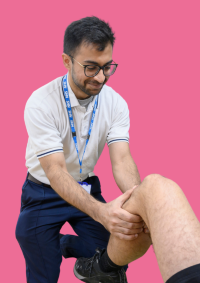 Physiotherapy appointments
- How to access physiotherapyBack up
If you would like to register yourself for the MSK Physiotherapy service you can do so in three different ways.
- Complete a self-referral form (this cannot be used if your problem relates to your neck, back, hands, wrists or feet, or for women's pelvic health-related issues)
- Contact your GP practice to book a first-contact physiotherapy appointment (if available)
- Book an appointment with your GP to discuss referral to physiotherapy
- Before you come to see usBack up
Before your first appointment, we've put together a check list for you to work through to help you be most prepared for your physiotherapy session.
- We would recommend you take the NHS 'How are you' quiz online. This quiz is for over-18s and helps to give you a personalised health score. It's a 10-minute quiz, so grab a cuppa and spend some time focusing on you.
- Before you refer to physiotherapy think about your expectations or goals. Think about the following questions and consider writing your thoughts down.
- What would you like to achieve from physiotherapy?
- What would you consider as success from your treatment?
- What would I do if I didn't have pain or this injury?
- What hobby or activity would you like to take up as your activity levels and normal function start to return?
- When you come to your appointment make sure you know your height and your weight. You can check your BMI on the NHS website.
- Print and fill out a copy of our Musculoskeletal Health Questionnaire[pdf] 208KB before your appointment. It is important that you fill this out because it helps identify factors which may be contributing towards your pain and it allows our physiotherapists to keep a close eye on how well you are responding to treatment. If you don't have a printer, you can complete the form when you arrive for your appointment - but please make sure you arrive 5 to 10 minutes early so that you can do this before your appointment begins.
- When you book your first appointment with us, please let us know whether you will need an interpreter or chaperone during the assessment, and let us know of any additional needs you may have.
- We would recommend you take the NHS 'How are you' quiz online. This quiz is for over-18s and helps to give you a personalised health score. It's a 10-minute quiz, so grab a cuppa and spend some time focusing on you.
- What to expect at your first appointmentBack up
When you come to your first appointment a full check (also called a comprehensive assessment) will be completed by one of our trained Musculoskeletal Specialist Physiotherapists.
We will ask you a number of questions about:
- The history of your symptoms
- Your past medical history
- Your past social history (including what you do for work and also any current or past hobbies)
We ask these questions to help us understand more about the current pain or issue. We can then also look at how we can identify what you want to achieve from the treatment sessions.
As well as asking questions, we will do a physical assessment with you. It is important you come in loose fitting clothing and the right type of footwear. We would recommend you wear trainers. To check the area giving you problem, we might ask you to undress or remove a piece of clothing to reveal the area.
If you would like another person in the room at the time, please just ask the therapist and will accommodate this for you.
- After your first appointmentBack up
You can expect our physiotherapists to explain what they have found, discuss contributing factors, how long your condition will take to improve and any available treatment options.
They may also speak to you about:
- Creating a bespoke rehabilitation exercise programme which will be available through the app
- Self-management advice
- Booking a follow up appointment (if required) to check your progress towards agreed goals
- Increasing your activity levels or joining an exercise or activity class in your local community
- Ask you if there is anything we can do better! We are always looking to improve our service. If you have any ideas, suggestions, or feedback for us, please discuss it with your physiotherapist or complete a feedback form available online or from our reception desk
- Ambient voice technologyBack up
Ambient voice technology is an artificial intelligence (AI)-assisted tool that helps clinicians create accurate, detailed notes from your appointment using a secure and private AI system. Instead of writing everything down by hand, your clinician can audio-record the conversation (with your permission). A summary of the visit is then automatically generated for them to review and edit. By reducing paperwork, ambient voice technology gives clinicians more time to focus on you during your appointment.
Why do we use ambient voice technology in physiotherapy appointments?
Ambient voice technology helps clinicians write clear and comprehensive notes more quickly. This makes follow-ups and referrals smoother and ultimately improves your care. Saving time on written note-taking, ambient voice technology lets your clinician spend more time with you.
Does ambient voice technology have to be used?
No - it's entirely your choice. Your clinician will only use ambient voice technology to record a consultation with your permission. If you prefer not to have your conversation recorded, just let your clinician know and they will take notes as usual. You will never be pressured into agreeing to a recording.
Is my data safe?
Yes. The ambient voice technology that we use at NHFT has been rigorously checked for data protection and security compliance.
- Confidential and secure
All information from your consultation is kept secure and confidential. It stays within UK servers and is handled according to strict NHS data protection standards and UK law. - No learning from your data
Ambient voice technology does not learn from or train on your personal data - your privacy is a priority. - Stored in your care record
Ambient voice technology simply produces a summary note for your clinician to review and edit. The final note is then stored in your healthcare record, just like any other clinical note. The audio recording and transcript are then automatically deleted from the ambient voice technology system. No data is ever stored on the recording device itself.
What does ambient voice technology do - and not do?
- Creates a draft summary
Ambient voice technology records the conversation (with consent) and produces a draft summary of what was said. Your clinician then reviews and edits this summary before saving it as a final note. - Captures details
Ambient voice technology helps capture what is said during your consultation, so nothing is missed, allowing for more accurate notes. - Does not replace clinicians
Ambient voice technology does not analyse your condition, give a diagnosis, or replace the expertise of a healthcare professional. All clinical decisions are still made by your clinician. - Does not learn from or share your data
Your data stays private. Ambient voice technology does not use your information to train any AI, and no data is shared with third parties outside of your care team or the secure systems needed to provide this service.
More information
If you have any concerns or questions about the use of ambient voice technology, please speak to your clinician. They will be happy to explain more and ensure you feel comfortable with whatever you decide.
Your care, your choice.
Thank you for helping us improve how we support you.
You can read more about how we collect, use and store data at Northamptonshire Healthcare NHS Foundation Trust in our privacy statement.
- Confidential and secure
- Patient initiated follow-upBack up
What is patient-initiated follow-up?
Patient-initiated follow-up (sometimes referred to as PIFU) puts you in control of making an appointment when you feel you need it, instead of having to attend a follow-up appointment which has been set for you and you may not need. It means you can have direct access to support when you feel you need it.
How does it work?
After your physiotherapy clinic appointment, your clinician will tell you if your condition is suitable for patient-initiated follow-up instead of regular follow-up appointments. Managing your appointments in this way is completely optional and it is your choice to go ahead with patient-initiated follow-up or not. If you feel it is not suitable for you, you can continue to book a scheduled appointment.
The patient-initiated follow-up service offers you an 8-week period of open access to the MSK Physiotherapy service as you need it. If you have not contacted us by the time the 8 weeks has ended, you will be discharged from our service and will need to contact your GP to be referred back to us.
How do I book an appointment?
If you have seen your physiotherapist, they will send you a text message containing a unique booking link where you can make your next appointment. This link can be found at the very bottom of the text message and starts with https://systmonline.tpp... Please be aware that this link will expire after 8 weeks if no appointment has been made.
You can book your appointment up to 8 weeks in advance. Using the link, you will be asked to provide your date of birth and then select 'Period' to see the 8-week date range. Select the week you want to book and then click 'Search', and you will see a selection of appointments which are available to book with your clinician. You can also email us at patientcontactcentre@nhft.nhs.uk or call 0330 555 6789 to book an appointment or if you need a new link.
What if there are no suitable appointments available for me?
If you don't immediately see a suitable appointment time, please try your link again later as new appointments may become available.
If your link no longer works because it has expired, please contact us by emailing patientcontactcentre@nhft.nhs.uk or calling 0330 555 6789 to ask for a new link or for help with rebooking your appointment.
How do I check my appointment?
If you follow the patient-initiated follow-up link you have been given and type in your date of birth, your appointment should be available for you to see.
If you are having problems seeing your appointment or accessing the link, please email us at patientcontactcentre@nhft.nhs.uk or call 0330 555 6789.
Why doesn't my link work?
Your link may have stopped working if it has expired because it is only valid for 8 weeks. To request a new link please email us at
patientcontactcentre@nhft.nhs.uk or call 0330 555 6789.How do I change or cancel an appointment?
You can cancel or change an appointment using the unique patient-initiated follow-up link you have been given.
You will see two options: 'Cancel appointment' and 'Rebook appointment'.
If you cancel an appointment, you will no longer be able to use this link and will need to contact us at patientcontactcentre@nhft.nhs.uk or 0330 555 6789 if you need another link or want to rebook.
Please note that you can only change your appointment using the link if the appointment date is more than 24 hours away. If your appointment date is within 24 hours of the appointment, you will need to contact us at patientcontactcentre@nhft.nhs.uk or 0330 555 6789 to cancel or rebook.
What happens if I miss my appointment?
If you do not attend your appointment, you may be discharged from the MSK Physiotherapy service. If you have any concerns, please contact us at patientcontactcentre@nhft.nhs.uk or 0330 555 6789 and we can explain what you need to do next.
Will I get a text reminder?
Yes, you will get a text message reminding you of your upcoming appointment.
When should I contact you for a patient-initiated follow-up appointment?
Once you have received your text message with your unique patient-initiated follow-up link, you will be able to book your appointment, either using the link or by contacting us at patientcontactcentre@nhft.nhs.uk or 0330 555 6789. You will have 8 weeks to make your appointment but you may need to request a new link in that time as the link expires after 8 weeks.
What if I don't need a follow-up appointment?
If you don't need a follow-up appointment, then you don't need to contact us. We will assume that you are better and a letter will be sent to your GP practice confirming you have been discharged from the MSK Physiotherapy service.
When is it not appropriate to use patient-initiated follow-up?
You should not use patient-initiated follow-up if you need urgent medical care or advice. Please contact your GP practice or use the NHS 111 service instead.
How long will I have to wait for my appointment?
You can book your patient-initiated follow-up appointment up to 8 weeks in advance, as long as your clinician has availability.
What happens when patient-initiated follow-up ends?
If we have not heard from you after 8 weeks, you will be discharged from our service. We will let your referrer know (your GP practice or your consultant) that you are on a patient-initiated follow-up pathway, and also when you have been discharged.
Can I come back after this?
If you have not contacted us within 8 weeks you will be discharged from our service and a new referral will be needed.
Can I give feedback on patient-initiated follow-up?
We are always grateful to receive feedback to help our service improve.
Complete our online feedback form
Call us: 0330 555 6789
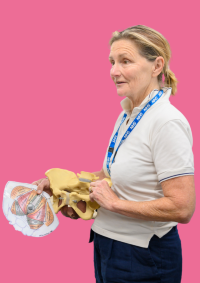 Advice and guidance
- FibromyalgiaBack up
Fibromyalgia is a long-term condition that can cause widespread pain throughout the body. People with fibromyalgia often feel pain in different areas, even though there may be no injury causing it. Pain can stay at roughly the same level or it can be changeable, which can be confusing for sufferers.
Along with the pain, many people experience extreme tiredness that may not get better with rest. Sleep can be disrupted but even a full night's sleep can still lead to waking up unrefreshed.
Fibromyalgia can also make it difficult to think clearly, concentrate, remember things or find the right words. This can be frustrating and can affect your daily life.
Some people also become more sensitive to touch, temperature, light or noise. You might notice that things that don't normally hurt - like a gentle touch - can feel painful. Fibromyalgia can also affect your mood, and it's common to experience anxiety or depression at the same time.
What causes fibromyalgia?
We don't fully understand what causes fibromyalgia, but we believe it's related to how the nervous system process pain signals. Essentially, the body becomes more sensitive to pain, even when there's no obvious cause. For some people, the condition seems to begin after a physical trauma, an illness, or a period of emotional stress. For others, it develops gradually with no clear trigger. It may also be partly genetic, as it can run in families.
How is fibromyalgia diagnosed?
There's no single test to diagnose fibromyalgia, so it's often diagnosed based on your symptoms and by ruling out other conditions. Despite the persistent nature of pain, it's important to know that it's not damaging your body or joints, and it isn't dangerous.
Living with fibromyalgia
Although fibromyalgia can be challenging to live with, many people find ways to manage their symptoms and lead fulfilling lives. You're not alone, and support is available - both from healthcare professionals and from others who are living with the condition.
Managing fibromyalgia involves finding the right balance between activity, rest, and self-care. While there's no cure, many people find relief through a combination of approaches.
- Regular exercise like walking, stretching, resistance training or yoga can help reduce pain and improve energy, especially when introduced gradually. The aim is to start small and gradually increase exercise levels. Avoiding exercise can lead to more pain and distress.
- Pacing your day - breaking tasks into smaller chunks with rest breaks - can help prevent flare-ups.
- Good sleep, managing stress levels, practising relaxation or mindfulness and addressing factors like diet, mood and wider health are also important.
You don't have to do all this at once! Support from healthcare professionals, including physiotherapists and pain specialists, can help you find what works best for you.
What to expect from the NHFT group fibromyalgia session
Our fibromyalgia group session can be accessed through a referral from your GP or consultant referral. It is designed to help you better understand your condition and explore practical, evidence-based ways to manage it. The session is educational, supportive and interactive, with input from healthcare professionals and space for participants to share their own experiences.
What the session will cover
- A clear explanation of what fibromyalgia is
- Common symptoms and how they can vary from person to person
- Possible causes and what can contribute to the condition
- An overview of the basic science of pain processing and how fibromyalgia affects the nervous system
- A focus on supported self-management strategies, including:
- Managing flare-ups effectively
- Graded exposure to exercise and activity
- Pacing and energy management techniques
- Identifying and addressing unhelpful lifestyle factors (e.g. poor sleep, stress, inactivity)
What to expect
- Input and guidance from healthcare professionals, including physiotherapy specialists
- Practical advice and tools that you can apply in everyday life
- The opportunity to share experiences and learn from others in the group
- A supportive, non-judgmental environment where questions are welcome
This session aims to improve your understanding, build your confidence, and support you in taking an active role in managing fibromyalgia.
Further information and resources
Pain management advice
- Flippin' Pain
- Fibromyalgia information booklet
- Live Well with Pain
- Tame the Beast
- Pain Toolkit - Pain Self Management
- The British Pain Society
Exercise advice
General health and wellbeing advice
Videos
- First Contact PhysiotherapyBack up
A First Contact Physiotherapist is a highly skilled physiotherapist who works at an advanced practice level in musculoskeletal medicine. This means they are specially trained in joint, muscle and spine conditions.
So instead of needing to see a GP first, people with things like back pain, knee pain, shoulder pain or sports injuries can book directly with a First Contact Physiotherapist, who are experts at assessing, diagnosing and managing these problems.
First Contact Physiotherapists give you quick access to:
- Expert diagnosis and advice without needing to see a GP
- Specialist treatment planning to manage your condition
- Scan and blood test booking and in-house joint injections (where needed)
- Referral to other hospital specialists (where needed)
Seeing a First Contact Physiotherapist saves you time, ensuring you get the right care when you need it.
- Hypermobility spectrum disorder - information for referrersBack up
The NHFT Musculoskeletal (MSK) Physiotherapy service provides physiotherapy-led assessment and rehabilitation support for people with symptomatic hypermobility, where there is an isolated musculoskeletal problem suitable for physiotherapy management.
What is hypermobility?
Joint hypermobility is common, particularly in children and young people. Many people with hypermobile joints have no pain or functional problems and they do not need treatment.
Some people develop hypermobility spectrum disorder (HSD), where joint hypermobility is linked with musculoskeletal symptoms such as pain, instability, or recurring injury.
Who is this service for?
The NHFT MSK Physiotherapy service accepts referrals for adults with:
- Symptomatic joint hypermobility
- A clear musculoskeletal problem (for example pain, instability, or recurrent injury)
- Functional impact on daily activities, education, work, or physical activity
- A presentation suitable for physiotherapy-led management, including exercise-based rehabilitation, movement retraining and joint stabilisation, and education and self-management
Who does not need referral?
Adults
Adults with asymptomatic hypermobility or symptoms that are primarily non-musculoskeletal (for example autonomic, gastrointestinal, or cardiovascular symptoms) are usually best managed in primary care or via appropriate medical specialties.
Consider referral to rheumatology or other appropriate specialties if:
- There is diagnostic uncertainty
- Inflammatory or systemic disease is suspected
- Musculoskeletal symptoms persist despite appropriate community physiotherapy and self-management
- There are significant extra-articular symptoms (for example severe gastrointestinal issues or complex pain)
- Severe or complex hypermobility requiring specialist or tertiary input is suspected
Red flags
Urgent referral or alternative pathways should be considered if any of the following are present:
- Unexplained weight loss
- Constant or night pain not mechanical in nature
- Progressive neurological symptoms
- Suspected fracture, infection, malignancy, or acute trauma
- Features suggestive of vascular connective tissue disorders
What this service provides
This physiotherapy-led service provides musculoskeletal assessment of hypermobility-related symptoms, individualised rehabilitation programmes, and education on pacing, joint protection, and self-management.
What this service does not provide
This service does not provide diagnostic confirmation of Ehlers-Danlos syndrome subtypes, genetic testing, medical management of systemic symptoms, or psychological therapy.
Patient information and self-management resources
International Classification of the Ehlers-Danlos Syndromes
EDS and Hypermobility Spectrum Disorders GP Toolkit
Hypermobility Syndromes Association (HMSA) - professional and clinical resources
- Managing your back pain classesBack up
Please note: this information is for people who have been referred to a NHFT musculoskeletal physiotherapy 'Managing back pain' class for support with back pain.
Welcome to the managing back pain class. The information in this section is designed to help you prepare for your class, understand what to expect during the sessions and your role in your recovery.
Led by a Senior Physiotherapist and a Physiotherapy Assistant Practitioner, the class focuses on exercise and aims to give you the tools you need to better understand and manage your back pain over time.
Watch this video to find out more and then explore the different sections to help you prepare for your first session.
Important information
- Your class is made up of four sessions - we ask you to attend all of them
- Please come to the class wearing clothing suitable for exercise in - for example, loose clothing like a t-shirt, wide trousers or tracksuit bottoms, with comfortable flat shoes like trainers
- To help us understand your progress in the class please think of three activities you find difficult to do now and rate each one from 0 (impossible to do) to 10 (no problems achieving activity). We will monitor these as you go through the classes
- Please arrive 15 minutes before your first class so we can welcome you and have a chat about what matters to you
- If you can't attend a class for any reason, it's really important that you let us know. If you miss a session without telling us, we'll take this to mean you don't need our support any more and you'll be discharged from our service
Contact us
Phone: 0330 555 6789
- Pain does not always equal harmBack up
If you are experiencing lower back pain, it's important to bear in mind these key points:
- Lower back pain is often a result of your nervous system being 'sensitised', rather than a sign of injury. This is where your brain becomes more sensitive to pain, making you feel pain more strongly
- It is usually safe to keep moving when you have back pain - and in fact, movement usually helps to reduce pain
- Avoiding activity and movement is not recommended because this can actually slow your recovery
More information
- Movement is medicineBack up
Movement is a really important part of your recovery from lower back pain. Staying active supports the healing process and if you are feeling any stiffness, gentle movement helps to reduce this. We often think of bed rest as a good thing for back pain but in fact it actually slows your recovery down.
Benefits of exercise
Regular exercise helps with your health and wellbeing in lots of different ways:
- Keeps your blood pressure stable
- Keeps your heart healthy
- Keeps your bones strong
- Helps with your mental wellbeing
- Reduces stress
- Helps you keep a healthy weight
- Improves your balance and flexibility
- Improves sleep
- Reduces your risk of illnesses like diabetes, heart diseases, joint and back pain and some cancers
- In older adults, reduces your risk of frailty and falls
- Helps you do more of the things you enjoy
Exercise is important for your recovery, but it's equally important to prioritise good quality sleep and pace yourself. This means challenging your muscles and moving without pushing beyond your current ability. As your fitness, confidence and pain improve over time, you can gradually increase the intensity of your exercises.
Exercise - what to aim for
The World Health Organisation (WHO) recommends:
- At least 150 minutes of moderate intensity exercise per week - this is exercise that increases your breathing rate but not so much that you're not able to talk. Examples include swimming, a brisk walk or cycling
OR
- At least 75 minutes of vigorous intensity exercise per week - this is exercise that gets you breathing fast so that you have trouble talking. Examples include running, stair-climbing and sports
WHO recommendations also include:
- Doing strength-building exercise on at least 2 days per week - this is things like going to the gym, doing yoga or carrying heavy bags, which help to keep your muscles, bones and joints strong
- For older adults, do exercise that improves your balance on at least 2 days per week - this is things like bowls, Tai Chi and dancing, which help to reduce your risk of frailty and falls
- Spend as little time as you can sitting or lying down during the day, and break up periods where you are inactive with movement and standing
Fitting exercise into your daily life
Trying to fit 150 minutes of moderate intensity exercise into your daily life might feel like a big ask. But look at this example of how this could look:
- 10 minutes of vacuuming
- 20 minutes of dancing
- 60 minutes of gardening
- 60 minutes of walking
Broken down in this way across a week, 150 minutes starts to look more manageable.
Suggestions to help you
- Break up your sitting time by changing your position regularly, getting up and moving about - this can ease muscle tension and stiffness
- Make activity part of your daily life - take the stairs instead of the lift, use a toilet further away, get up to make a drink during TV adverts, or walk to nearby shops instead of driving
- Choose activities you enjoy - most activities are good for your health and if it's fun, get it done!
- Something is better than nothing - start small and gradually build up your activity levels over time
- Exercise involving bending, lifting and twisting are good for your lower back - but remember to build your activity slowly and steadily
- Set goals for the short and medium term to help keep you on track - involve friends, family members or work colleagues if you can to help with motivation
- Exercise at home with NHS Fitness Studio exercise videos
- If you prefer to exercise in a gym, your health professional can make a referral to give you gym membership at reduced cost. If you are aged over 55, this can also give you access to local group exercise activities like walking football, Nordic walking and activities matched to your age
- Pain management adviceBack up
Acute back pain flare-ups - what to do
An acute back pain flare-up is where you experience sudden and severe back pain. Here are some tips for what to do if that happens to you:
- Try to reassure yourself and remember that back pain usually gets better on its own
- Staying active is proven to be the best way to improve back pain
- Take some over-the-counter painkillers or anti-inflammatory drugs (like paracetamol or ibuprofen) to help reduce your pain, unless you have a medical reason not to (this can be discussed with your local pharmacist or healthcare professional)
- If your pain is really bad, you may need to reduce your usual activity for a short time
- Avoid bed rest if possible - this should only be needed if the pain is so bad that you cannot move around at all, but even then it should be for short periods only. Choose positions that are comfortable to help you relax and let your muscle tension reduce
Painkillers and anti-inflammatory drugs
Over-the-counter medicines can help to ease pain. They are not a cure but should help to keep you active and working. If you need to take them, it is important to take tablets regularly and as directed on the packet. Do not wait until your pain is out of control, or the tablets will not work as well. If you have indigestion, an ulcer problem or asthma, ask your GP practice or pharmacist about the use of anti-inflammatories and aspirin.
Muscle tension and stress
Stress and muscle tension are linked together. Stress can make your muscles more tense and tight and so make back pain worse.
Breathing exercises and muscle relaxation techniques are a good way to reduce the effects of stress. This is because pain and stress put your body on guard, and it responds by tensing muscles. Relaxation helps you to feel calm and more at ease. Some tips for relaxation include:
- Doing something you enjoy or makes you feel calmer
- Listening to music or a podcast
- Practising mindfulness - find out more about this on the NHS website
- Reading a book or magazine
- Getting some fresh air
Heat and cold
Using heat can help to reduce pain and relax your muscles. Use a warm water bottle, or microwaveable wheat bag, following the instructions that come with the product. To protect your skin from heat burns, wrap the item in a few layers of towel.
Using ice can help to reduce pain and inflammation (swelling). Use crushed ice cubes or a bag of frozen peas. Protect your skin from ice burns by putting your ice pack in a wet towel and apply oil, such as baby oil, to your skin.
Leave your heat or ice pack in place for 15 to 20 minutes. You can use it again after 2 to 3 hours if you need to.
- Back facts and myth busting
- Back factsBack up
Click or tap on the heading to reveal more information.
1. Low back pain can be scary but it's rarely dangerous
Low back pain can be distressing and disabling but it's rarely life-threatening and you are very unlikely to end up in a wheelchair.
2. Getting older is not a cause of low back pain
Although it is a common belief and concern that getting older causes or worsens low back pain, research does not support this. Evidence-based treatments can help at any age.
3. Long-lasting back pain is rarely associated with serious tissue damage
Backs are strong. If you have had an injury, tissue healing occurs within 3 months. So, if pain persists beyond this time it usually means there are other contributing factors. A lot of low back pain begins with no injury or with simple everyday movements. These occasions may be linked with stress, tension, tiredness, inactivity or activity you are not used to, which makes the back more sensitive to movement and loading.
4. Scans rarely show the cause of low back pain
Scans are only helpful for a small number of people. Lots of scary sounding things can be reported on scans such as disc bulges, degeneration, protrusions and arthritis. Unfortunately, the reports don't say that these findings are very common in people without low back pain and they don't predict how much pain you feel or how disabled you are. Scans can also change, and most disc prolapses shrink over time.
5. Pain with exercise and movement doesn't mean you are doing harm
When pain persists, it is common that the spine and surrounding muscles become really sensitive to touch and movement. The pain you feel during movement and activities reflects how sensitive your structures are - not how damaged you are. So, it's safe and normal to feel some pain when you start to move and exercise. This usually settles down with time as you get more active. In fact, exercise and movement are one of the most effective ways to help treat low back pain. See the NHS Fitness Studio for some practical approaches.
6. Low back pain is not caused by poor posture
How we sit, stand and bend does not cause low back pain, even if these activities may be painful. A variety of postures are healthy for the back. It is safe to relax during everyday tasks such as sitting, bending and lifting with a round back - in fact it's more efficient.
7. Low back pain is not caused by a 'weak core'
Weak 'core' muscles do not cause low back pain, and in fact people with low back pain often tense their 'core' muscles as a protective response. This is like clenching your fist after you've sprained your wrist. Being strong is important when you need the muscles to switch on, but being tense all the time isn't helpful. Learning to relax the 'core' muscles during everyday tasks can be helpful.
8. Backs do not wear out with everyday loading
The same way lifting weights makes muscles stronger, moving and loading make the back stronger and healthier. So, activities, like running, twisting, bending and lifting are safe if you start gradually and practise regularly.
9. Pain flare-ups do not mean you are damaging yourself
While pain flare-ups can be very painful and scary, they are not usually related to tissue damage. The common triggers are things like sleep, stress, tension, worries, low mood, inactivity or unaccustomed activity. Controlling these factors can help stop things getting worse and if you have a pain flare-up, instead of treating it like an injury, try to stay calm, relax and keep moving.
10. Injections, surgery and strong opioids usually aren't a cure
Spine injections, surgery and strong drugs like opioids aren't very effective for long-lasting low back pain in the long term. They come with risks and can have unhelpful side effects. Finding low-risk ways to put you in control of your pain is the key.
- Myth-bustingBack up
Click or tap on the myth to reveal the fact!
Myth: Moving will make my back pain worse
Fact: Don't fear twisting and bending - it's essential to keep moving. Gradually increase how much you are doing and stay on the go.
Myth: I should avoid exercise, especially weight training
Fact: Back pain shouldn't stop you enjoying exercise or regular activities. In fact, studies show that continuing with these can help you get better sooner, including using weights, where appropriate.
Myth: A scan will show me exactly what is wrong
Fact: Sometimes it will, but most often it won't. Also, even people without back pain have changes in their spine so scans can cause fear that influences behaviour, making the problem worse.
Myth: Pain equals damage
Fact: This used to be the established view but more recent research has changed our thinking. Modern physiotherapy takes a 'whole person' approach that helps people understand why they are in pain.
Myth: Back pain is caused by bad posture
Fact: People with low back pain often report that it's painful to sit, stand or bend. It's often thought that we need to sit and stand with a straight, but in fact research shows that there is no 'perfect' posture to prevent or reduce back pain. Our backs come in all shapes and sizes and having different spine postures through the day is actually healthy for your back.
It is safe and often more comfortable to relax while sitting, standing, and bending, rather than tensing and overprotecting the back.
Facts about posture and back pain
- There is no 'correct' posture - there is no strong evidence that the ideal posture exists or that avoiding 'incorrect' posture prevents back pain
- It is safe to adopt more comfortable poses - exploring different postures, including those which are frequently avoided, and changing from the postures you're used to may help to relieve back pain
- Differences in postures are a fact of life - people's spinal curves are different and there is no single spinal curve that's strongly linked to pain
- The spine is strong and can be trusted - the spine can safely move and carry loads in lots of different postures. Warnings about certain postures being bad for your spine are not actually based on evidence!
- Posture reflects beliefs and mood - our emotions and concerns about our body image can show in our posture, and understanding the reasons behind preferred postures can be helpful
- Sitting is not dangerous - sitting for longer than 30 minutes in one position is not dangerous, but it can still be helpful to move and change position regularly
- One size does not fit all - advice about adopt a certain posture or to 'brace the core' when lifting is not based on evidence, and postural movement screening (analysis of your posture and movement) doesn't prevent injuries
- About MRI scansBack up
Do I need a scan to find the cause of my back pain?
Scans are important for people who show signs of serious conditions like cancer, infections, broken bones or compressed nerves. But this accounts for only a very small number (1% to 5%) of people with back pain.
For around 95% of people with back pain, scans cannot tell us about how much pain you are feeling or how pain is impacting on your life, now or in the future. They also do not tell us what treatment you need.
What do disc degeneration, disc bulges or arthritis mean on a scan?
Findings like disc degeneration, disc bulges and arthritis on a scan sound scary and important. However, they are commonly found in people without back pain, including in top athletes who use and load their backs all the time.
For example, at the age of 20 years, 37% of people without low back pain have disc degeneration, 30% have disc bulges and 29% have disc protrusions. These findings increase with age and do not predict a person's future likelihood of developing disabling low back pain.
So, in many cases these findings are normal and not the cause of the pain.
If there is nothing on my scan, is the pain in my head?
Back pain is 100% real and felt in the back. When the cause of back pain doesn't show on the scan, it doesn't mean you're imagining the pain. It's like having a severe headache without damaging your head.
There are lots of structures in the low back (e.g. muscles, ligaments, joints, nerves and discs) that can become very pain sensitive to movement and loading without being damaged. The sensitivity of these structures is influenced by many factors. These include both physical factors (such as muscle tension and over-protection of the back, inactivity or overactivity) and non-physical factors (such as poor sleep, stress low mood and pain-related fear).
Together these things can result in sensitivity of the spine's structures. Importantly, these factors can get better with the right treatment.
More information
- Building your resilience to flare-upsBack up
Flare-ups (also known as setbacks) are when symptoms such as pain temporarily increase. Everyone's experience of a flare-up is unique to them. Flare-ups are common but will settle. Good management of flare-ups and building your resilience to them are important for settling them down when they happen.
What causes flare-ups?
There are lots of different things that can lead to flare-ups. Some examples include:
- Over activity (doing too much)
- Inactivity (not moving enough)
- Doing activity or exercise you are not used to
- Stress
- Changes to other conditions, like anxiety, depression or post-traumatic stress disorder (PTSD)
- Poor sleep
- Poor diet
- Weather
- Hormones
- No apparent reason - sometimes it's hard to put your finger on anything in particular, and this is common with chronic (long-term) pain
Tips for preventing flare-ups
Introducing healthy habits to your life can help you to reduce how often flare-ups happen, how intense they are and how long they last. Healthy habits include:
- Managing stress - if you feel stressed or anxious, practise deep breathing, gentle yoga or meditation
- Taking medication as prescribed - taking more or less medication can lead to flare-ups. Talk to a health professional about medication you can take safely
- Eating well and staying hydrated - eat healthy foods, avoid foods that can cause inflammation and drink plenty of water
- Getting good sleep - lack of sleep can make the pain of a flare-up worse. Getting enough sleep helps with pain and makes flare-ups less likely
- Staying active (but pacing yourself) - if you stay active, but pace yourself, you can enjoy the benefits of exercise while reducing the chances of you overdoing it
It is not always possible to completely prevent flare-ups. So when they do happen, it's important to remember that what you do will make a difference to how long it lasts and how severe it is. And don't forget that an increase in pain is rarely a sign of damage - you're sore but you're safe!
You can help yourself respond promptly to a flare-up by:
- Creating a flare-up plan
- Take notes about what you experience during a flare-up
- Follow the flare-up prevention advice above
More information
- Lifestyle matters!Back up
Maintaining a healthy lifestyle and getting into healthy habits are proven to help with recovery from lower back pain. This section includes links to useful online resources which can support you.
Sleep habits and sleep hygiene
- Fall asleep faster and sleep better - Every Mind Matters - NHS
- Sleepstation - sleep improvement and insomnia course
Healthy eating
- Eatwell Guide: How to eat a healthy balanced diet | NHS Inform
- Nutrition and chronic pain - International Association for the Study of Pain (IASP)
- Anti-inflammatory diet: what you need to know - British Heart Foundation
Mental wellbeing
Smoking and alcohol
- Work is good for your healthBack up
Work is generally good for physical and mental health and it plays an important role in recovery and rehabilitation. It's also known that long periods away from work are harmful to physical and mental health.
Around two-thirds of sickness absence and long-term incapacity are due to common, mild-to-moderate conditions, such as back pain, many of which are preventable.
It's not essential to be 100% fit for you to be able to return to work safely. In fact, being at work may be helpful to help with recovery from health problems and can also support wellbeing for people with longer-term health conditions. Many common health problems can be managed at work with the right adjustments and support.
Why is work good for your health?
Work is a central part of life. It supports identity, social connection, financial security and psychological wellbeing.
Evidence shows that work:
- Supports recovery and rehabilitation from ill-health or injury
- Leads to better long-term health
- Reduces the physical, mental, and social harms of long-term absence
- Improves quality of life and wellbeing
- Reduces social exclusion and poverty
Why does being out of work harm health?
Long periods out of work are linked to:
- More GP visits, medication use, and hospital admissions
- 2x to 3x higher risk of poor general health
- 2x to 3x higher risk of mental health problems
- A 20% higher risk of death
The longer someone is off work, the less likely they are to return. Overall, the health benefits of work outweigh the risks and are greater than the harm of being out of work.
Things to think about
- What is stopping you from returning to work?
- What could help overcome these barriers?
- Could your work duties or working hours be changed to meet your needs?
- Focus on what you can do rather than what you can't
Planning for a return to work
Managing common health problems like back pain often focuses on keeping symptoms under control so that you can maintain a level of health and wellbeing and return to normal activity.
Recovery and returning to work are active processes, which means they need motivation and effort to be successful.
Line managers have an important role providing continuing support for the person returning to work, and they are the people to talk to first. They can work with you to create a return-to-work plan that can help to:
- Set realistic goals, expectations and timescales
- Gradually increase your activity levels
- Agree clear goals and timescales
- Focus on what you can do, rather than what you can't
- Identify and address any barriers, including any issues with your workplace
- Understand the support that's available to you
Small changes at work can often make a big difference to a successful return to work after a period of sickness absence.
Most people really do want to get back to work and are often best placed to work out a solution themselves as long their fears, concerns and ideas are listened to.
Healthcare professionals can also support with this process.
Communication with your employer
Effective and safe return-to-work planning depends on clear communication between the employee and their employer. Shared decision-making is an important part of this, and the process can be supported by healthcare professionals.
Where available, occupational health services can help to coordinate a return to work.
Communication with employers should focus on what the person can do and any temporary, medically necessary restrictions that may be needed to enable the person to carry out their role.
A 'Fit note' (sometimes called a 'Med3') can help with communication with your work. The 'Remarks' section of this document can be used to share further detail, advice and guidance for employers and may be used instead of a separate letter. Please contact your GP practice to discuss this further if you need to.
Everyone should remember that supporting a person to return to work is usually in that person's best long-term interests.
More resources
More information and advice that should help you to remain well in work and/or support your return to work is available here:
MSK at work: Mersey Care NHS Foundation Trust
(Please note: information about locally provided services on the above website does not apply to Northamptonshire residents)
For further information about returning to work after absence, phased returns and reasonable adjustments please see this guidance from Acas, the independent advisory, conciliation and arbitration service working with employers and employees to improve workplace relationships.
- Managing your back pain - self-help informationBack up
You are visiting this page because you have been referred to the NHFT Musculoskeletal Physiotherapy service by your GP or consultant for support with managing your low back pain.
You kindly filled in 2 questionnaires asking about different aspects of your condition. Your answers show it is likely your condition can be improved by making changes to your overall health, wellbeing and lifestyle, supported by exercise.
The information we have gathered here is proven to help people to self-manage their back pain. We hope it will help you to understand your condition better and what you can do to help yourself.
Many different things in our lives can have an effect on pain and there are practical steps we can take to help with this, including exercises to build your strength and movement.
If your symptoms are no better during the next 12 weeks of following the advice on this page, please contact us by emailing
patientcontactcentre@nhft.nhs.uk or calling 0330 555 6789 (Option 2) and say you need further assessment in physiotherapy. You will be asked to repeat the questionnaires you were previously sent - this will help us understand how to help you further.If your symptoms get worse, you start to feel unwell or you lack energy, lose your appetite or weight or develop any new unusual symptoms, please contact your GP practice to book a review with a GP or First Contact Physiotherapist.
- What kind of back pain do you have?Back up
Back pain is very common. Most of us will experience some back pain in our lives. About 8 out of 10 people (80% of the population) will experience back pain at some point.
Back pain can be worrying and can make your normal activities difficult. But it is important to remember that it's rarely a sign of a serious medical problem and most back pain will normally get better without any treatment within 12 weeks.
This information is designed to help you understand how to manage your back pain. By following our advice, you can get back to being you and to your normal life as soon as possible.
Choose the option below which most closely matches your experience of back pain to find advice that meets your needs.
- My back pain has just started or just come backBack up
Acute low back pain
Acute low back pain means your back pain started in the last 6 weeks.
About 8 out of 10 people will experience back pain at some point in their life.
Although back pain can be distressing and painful it is rarely a sign of a serious issue.
Back pain can sometimes happen without a clear cause. It can also sometimes happen after a particular movement - often a simple movement that we do a lot without problems, like picking up a towel.
This may be the first time you have had acute back pain, or your back pain may have come back after a period of getting better, which is called a flare-up. It is common for some people to experience more regular episodes of back pain.
You can reduce your risk of back pain by living a healthy lifestyle, avoiding habits that are bad for you and maintaining a healthy weight.
- What are the symptoms of acute low back pain?Back up
Low back pain can feel different from person to person, but common symptoms include:
- Pain in the lower back area which may travel into the buttocks, thighs or hips.
- Stiffness after a period of rest or reduced movement, e.g. first thing in the morning
- Difficulty moving, such as getting up from a chair or out of bed, or bending, lifting or twisting
Your back pain symptoms may be constant or they may come and go, and they may be made worse by certain activities, movements or body positions and eased by others.
Important
If pain travels from your back to below your knee(s) and/or you have pins and needles, numbness or tingling, please contact us by emailing
patientcontactcentre@nhft.nhs.uk or calling 0330 555 6789 (Option 2) and say you need further physiotherapy assessment. - What are the causes of acute low back pain?Back up
There are a few different things which can make it more likely you will develop low back pain.
The back has lots of muscles, joints and discs which can be injured or swell up if you lift something too heavy or awkward, for example, or from a sudden twisting movement that you were not ready for. These structures can heal and repair. It's not essential to know exactly which structures are involved in your back pain as this won't usually change the advice or treatment you are given.
Other common causes of low back pain include:
- A sudden increase or decrease in your normal activity or exercise levels
- Previous back pain - if you have experienced back pain before, it might become painful from time to time (this is called a flare-up)
- When you've been feeling stressed, worried or in a low mood
- When you've been struggling with poor sleep or feeling tired or run down
- Some lifestyle factors, like being overweight and smoking
- Having other health conditions like osteoarthritis, rheumatoid arthritis or fibromyalgia
Is back pain caused by bad posture?
People with low back pain often report that it's painful to sit, stand or bend. It's often thought that we need to sit and stand with a straight, but in fact research shows that there is no 'perfect' posture to prevent or reduce back pain. Our backs come in all shapes and sizes and having different spine postures through the day is actually healthy for your back.
It is safe and often more comfortable to relax while sitting, standing, and bending, rather than tensing and overprotecting the back.
Facts about posture and back pain
- There is no 'correct' posture - there is no strong evidence that the ideal posture exists or that avoiding 'incorrect' posture prevents back pain
- It is safe to adopt more comfortable poses - exploring different postures, including those which are frequently avoided, and changing from the postures you're used to may help to relieve back pain
- Differences in postures are a fact of life - people's spinal curves are different and there is no single spinal curve that's strongly linked to pain
- The spine is strong and can be trusted - the spine can safely move and carry loads in lots of different postures. Warnings about certain postures being bad for your spine are not actually based on evidence!
- Posture reflects beliefs and mood - our emotions and concerns about our body image can show in our posture, and understanding the reasons behind preferred postures can be helpful
- Sitting is not dangerous - sitting for longer than 30 minutes in one position is not dangerous, but it can still be helpful to move and change position regularly
- One size does not fit all - advice about adopt a certain posture or to 'brace the core' when lifting is not based on evidence, and postural movement screening (analysis of your posture and movement) doesn't prevent injuries
- How long will it take to get better?Back up
- Most episodes of acute low back pain get better within 6 weeks
- Around 1 in 5 people will still have low back pain at 12 weeks. This is why it is important to take what's known as an 'active approach' to managing your back pain, which means staying as active as possible rather than avoiding movement
- What can I do to manage my back pain?Back up
Click on the headings below to reveal more information and useful advice.
Rest is not always best
At first, it may be helpful to change or reduce your usual activities. But remember that resting and avoiding normal activities for more than a day or two can:
- Reduce your physical fitness
- Make your spine more stiff
- Cause your muscles to start to waste
This means it may actually take longer for you to get better. Instead, evidence shows that keeping active and gradually returning to all your usual activities and exercise will help you to recover sooner.
Pain does not always mean harm
It is normal to experience some pain during your recovery, but it does not mean you are causing harm or damage to your back. Pain does not always equal harm, but is often just a sign that your nervous system has become more sensitive. You can find more information about this in these videos.
Keep moving
Movement is a really important part of your recovery from lower back pain. Staying active supports the healing process and if you are feeling any stiffness, gentle movement helps to reduce this. We often think of bed rest as a good thing for back pain but in fact it actually slows your recovery down.
Benefits of exercise
Regular exercise helps with your health and wellbeing in lots of different ways:
- Keeps your blood pressure stable
- Keeps your heart healthy
- Keeps your bones strong
- Helps with your mental wellbeing
- Reduces stress
- Helps you keep a healthy weight
- Improves your balance and flexibility
- Improves sleep
- Reduces your risk of illnesses like diabetes, heart diseases, joint and back pain and some cancers
- In older adults, reduces your risk of frailty and falls
- Helps you do more of the things you enjoy
Remember, rest and recovery are as important as exercise itself. It's important not to put too much stress on your body so always allow yourself enough rest between exercise sessions.
Exercise - what to aim for
The World Health Organisation (WHO) recommends:
- At least 150 minutes of moderate intensity exercise per week - this is exercise that increases your breathing rate but not so much that you're not able to talk. Examples include swimming, a brisk walk or cycling
OR
- At least 75 minutes of vigorous intensity exercise per week - this is exercise that gets you breathing fast so that you have trouble talking. Examples include running, stair-climbing and sports
WHO recommendations also include:
- Doing strength-building exercise on at least 2 days per week - this is things like going to the gym, doing yoga or carrying heavy bags, which help to keep your muscles, bones and joints strong
- For older adults, do exercise that improves your balance on at least 2 days per week - this is things like bowls, Tai Chi and dancing, which help to reduce your risk of frailty and falls
- Spend as little time as you can sitting or lying down during the day, and break up periods where you are inactive with movement and standing
Fitting exercise into your daily life
Trying to fit 150 minutes of moderate intensity exercise into your daily life might feel like a big ask. But look at this example of how this could look:
- 10 minutes of vacuuming
- 20 minutes of dancing
- 60 minutes of gardening
- 60 minutes of walking
Broken down in this way across a week, 150 minutes starts to look more manageable.
Suggestions to help you
- Break up your sitting time by changing your position regularly, getting up and moving about - this can ease muscle tension and stiffness
- Make activity part of your daily life - take the stairs instead of the lift, use a toilet further away, get up to make a drink during TV adverts, or walk to nearby shops instead of driving
- Choose activities you enjoy - most activities are good for your health and if it's fun, get it done!
- Something is better than nothing - start small and gradually build up your activity levels over time
- Exercise involving bending, lifting and twisting are good for your lower back - but remember to build your activity slowly and steadily
- Set goals for the short and medium term to help keep you on track - involve friends, family members or work colleagues if you can to help with motivation
- Exercise at home with NHS Fitness Studio exercise videos
- If you prefer to exercise in a gym, your health professional can make a referral to give you gym membership at reduced cost. If you are aged over 55, this can also give you access to local group exercise activities like walking football, Nordic walking and activities matched to your age
Medication
Over-the-counter medicines can help to ease pain and help you to move more comfortably. They are not a cure but should help to keep you active and working.
If you need to take them, it is important to take tablets regularly and as directed on the packet. Do not wait until your pain is out of control, or the tablets will not work as well.
If you have indigestion, an ulcer problem or asthma, ask your GP practice or pharmacist about the use of anti-inflammatories and aspirin. If you need more advice about pain relief medication, talk to a pharmacist or your GP practice.
Heat and cold
Using heat can help to reduce pain and relax your muscles. Use a warm water bottle, or microwaveable wheat bag, following the instructions that come with the product. To protect your skin from heat burns, wrap the item in a few layers of towel.
Using ice can help to reduce pain and inflammation (swelling). Use crushed ice cubes or a bag of frozen peas. Protect your skin from ice burns by putting your ice pack in a wet towel and apply oil, such as baby oil, to your skin.
Leave your heat or ice pack in place for 15 to 20 minutes. You can use it again after 2 to 3 hours if you need to.
Returning to work
Try to stay at work or return to work as soon as you are able. Talk to your employer, GP or health practitioner for advice about how you can return to your work duties. Research clearly shows that the longer you are away from the work, the higher your risk of your symptoms continuing. Aim to get back to work as soon as possible, even if this means making some changes to your usual role.
Movement breaks
Take regular movement breaks to change your position or exercise every 30 to 40 minutes. This helps to prevent stiffness and muscle spasms. If sitting down is painful and your job involves long periods of sitting, it may be helpful to use different postures, spending periods sitting, standing and walking throughout the day.
Pace yourself
Don't try to do to much when it comes to exercise and activity. Adapt activities by pacing yourself and breaking activities down into smaller, more manageable chunks.
Sleep well
Good sleep habits may help you cope better with your pain and reduce the risk of long-term pain. Find more information about getting good sleep:
- Fall asleep faster and sleep better - Every Mind Matters - NHS
- Sleepstation - sleep improvement and insomnia course
Stress and mental wellbeing
Things like stress and feeling sad or depressed can make it more likely for you to have continuing and long-term back pain. Taking care of your mental and physical health can help to keep your back healthy. Find more information about managing stress and mental wellbeing:
Healthy lifestyle
Unhealthy lifestyles, including being overweight, drinking too much and smoking, can slow your recovery from back pain. You can reduce your risk of back pain by living a healthy lifestyle. Find more information about healthy lifestyles:
- Exercises that can help with acute back painBack up
Start exercising as early as possible and include stretching exercises, resistance training and a range of different movements. Keep your exercise at a level where you can cope with the pain or discomfort, and aim to improve your flexibility and strength gradually over time. A strong and flexible back is less likely to experience future flare-ups of pain.
The following exercises can help your lower back feel better. They work best when you also keep moving, go for walks, and do your normal daily activities.
You will need to enter 2025 where asked to 'Enter your year of birth'
There are two main types of exercises:
- Moving and stretching exercises to help reduce pain and keep your back flexible
- Resistance exercises to help make your back stronger so it's less likely to hurt again
You can try different movements and stretches to see which ones help you the most. A little discomfort is okay, but the pain should not get worse each time you do an exercise or feel much worse after you stop.
Use the exercises that make you feel better like 'pain helpers', and do them for short times, regularly throughout the day.
Strength exercises can be done once a day at first. When they get harder or heavier, doing them 2 to 3 times a week is enough to help build muscle.
Any movement or exercise can help! You may feel more confident starting with gentler exercise types like walking, swimming and stretching. Aim to get confident with using and moving your back again.
There are no movements that will be dangerous or cause damage to your back. It is okay to return to sports or the gym if you feel up to it. But you may need to change the exercise you would normally do or do a bit less than usual. Avoiding all pain isn't necessary, but you do not need to 'push through' pain either, especially if it is spoiling your enjoyment of exercise!
Over time you might want to look at more challenging workouts like those in from the NHS Fitness Studio.
- Do I need an x-ray or a scan?Back up
Scans are important for people who show signs of serious conditions like cancer, infections, broken bones or compressed nerves. But this accounts for only a very small number (1% to 5%) of people with back pain.
For around 95% of people with back pain, scans cannot tell us about how much pain you are feeling or how pain is impacting on your life, now or in the future. They also do not tell us what treatment you need.
What do disc degeneration, disc bulges or arthritis mean on a scan?
Findings like disc degeneration, disc bulges and arthritis on a scan sound scary and important. However, they are commonly found in people without back pain, including in top athletes who use and load their backs all the time.
For example, at the age of 20 years, 37% of people without low back pain have disc degeneration, 30% have disc bulges and 29% have disc protrusions. These findings increase with age and do not predict a person's future likelihood of developing disabling low back pain.
So, in many cases these findings are normal and not the cause of the pain.
If there is nothing on my scan, is the pain in my head?
Back pain is 100% real and felt in the back. When the cause of back pain doesn't show on the scan, it doesn't mean you're imagining the pain. It's like having a severe headache without damaging your head.
There are lots of structures in the low back (e.g. muscles, ligaments, joints, nerves and discs) that can become very pain sensitive to movement and loading without being damaged. The sensitivity of these structures is influenced by many factors. These include both physical factors (such as muscle tension and over-protection of the back, inactivity or overactivity) and non-physical factors (such as poor sleep, stress low mood and pain-related fear).
Together these things can result in sensitivity of the spine's structures. Importantly, these factors can get better with the right treatment.
More information
- I have had back pain for more than 6 weeks but less than 12 weeksBack up
Subacute low back pain
Subacute back pain means back pain that lasts for more than 6 weeks but less than 3 months.
It's no longer a new pain, but it's also not something you've had for a very long time.
It might have started as acute back pain (pain that began suddenly) but it hasn't fully gone away yet. It can happen after an injury or sometimes for no clear reason.
How common is subacute low back pain?
Subacute low back pain is quite common and while it is painful, it is rarely a sign of a serious issue. About 8 out of 10 people will experience back pain at some point in their life. Most cases of acute low back pain settle within the first 6 weeks but about 2 in 10 people have continuing subacute pain. Most cases of subacute back pain get better within 3 months. If the pain lasts longer than 3 months, it becomes chronic back pain, which is less common.
- What are the symptoms of subacute low back pain?Back up
Low back pain can feel different from person to person, but here are some common symptoms:
- Aching or soreness in your lower back
- Sharp or stabbing pain when you move in a certain way
- Stiffness that makes it hard to bend or twist
- Muscle tightness or spasms (like a cramp in your back)
- It might feel worse when sitting for too long or after lifting something heavy.
- Sometimes, the pain travels down into your buttocks, side of hip or down the back of your legs to your knees (but not below)
Important
If pain travels from your back to below your knee(s) and/or you have pins and needles, numbness or tingling, please contact us by emailing
patientcontactcentre@nhft.nhs.uk or calling 0330 555 6789 (Option 2) and say you need further physiotherapy assessment. - What are the causes of subacute low back pain?Back up
Low back pain can happen for many reasons and sometimes there's no clear cause! Here are some common ones:
- Lifting something heavy or awkwardly - if you lift something your body is not prepared for, your back must work extra hard and can get sore
- Sitting too long - if you sit all day without moving regularly your back muscles can get tight and achy
- Sudden movements - a sudden, unexpected twisting movement your back was not ready for can sometimes cause your back to ache
- Weak muscles - if you have weaker back muscles, they may struggle with activities and cause pain
- An old injury - if you've hurt your back before, it might get sore again sometimes (this is called a flare-up)
- Stress - being stressed can make your muscles tense up, which can cause pain
Other common causes of low back pain include:
- When you have been feeling worried or in a low mood
- When you have been struggling with poor sleep, or feeling tired or run-down
- Some lifestyle factors, like being overweight and smoking
- Having other health conditions like osteoarthritis, rheumatoid arthritis or fibromyalgia
Is back pain caused by bad posture?
People with low back pain often report that it's painful to sit, stand or bend. It's often thought that we need to sit and stand with a straight, but in fact research shows that there is no 'perfect' posture to prevent or reduce back pain. Our backs come in all shapes and sizes and having different spine postures through the day is actually healthy for your back.
It is safe and often more comfortable to relax while sitting, standing, and bending, rather than tensing and overprotecting the back.
Facts about posture and back pain
- There is no 'correct' posture - there is no strong evidence that the ideal posture exists or that avoiding 'incorrect' posture prevents back pain
- It is safe to adopt more comfortable poses - exploring different postures, including those which are frequently avoided, and changing from the postures you're used to may help to relieve back pain
- Differences in postures are a fact of life - people's spinal curves are different and there is no single spinal curve that's strongly linked to pain
- The spine is strong and can be trusted - the spine can safely move and carry loads in lots of different postures. Warnings about certain postures being bad for your spine are not actually based on evidence!
- Posture reflects beliefs and mood - our emotions and concerns about our body image can show in our posture, and understanding the reasons behind preferred postures can be helpful
- Sitting is not dangerous - sitting for longer than 30 minutes in one position is not dangerous, but it can still be helpful to move and change position regularly
- One size does not fit all - advice about adopt a certain posture or to 'brace the core' when lifting is not based on evidence, and postural movement screening (analysis of your posture and movement) doesn't prevent injuries
- How long will it take to get better?Back up
Sometimes, back pain lasts longer and doesn't go away as quickly as expected. This can happen for different reasons, like:
- Not moving enough - if you stop being active because of pain, your muscles can get weaker, making it harder to recover
- Stress or worry - feeling anxious or upset about your pain can make your body more tense, which can keep the pain going
- Poor sleep - not getting enough rest can make it harder for your body to heal
- Other health issues - things like being overweight, smoking, drinking too much alcohol or not eating well can slow down recovery
If back pain lasts longer than a few weeks, it's important to understand why and find ways to help it improve.
- What can I do to manage my back pain?Back up
Click on the headings below to reveal more information and useful advice.
Rest is not always best
At first, it may be helpful to change or reduce your usual activities. But remember that resting and avoiding normal activities for more than a day or two can:
- Reduce your physical fitness
- Make your spine more stiff
- Cause your muscles to start to waste
This means it may actually take longer for you to get better. Instead, evidence shows that keeping active and gradually returning to all your usual activities and exercise will help you to recover sooner.
Pain does not always mean harm
It is normal to experience some pain during your recovery, but it does not mean you are causing harm or damage to your back. Pain does not always equal harm, but is often just a sign that your nervous system has become more sensitive. You can find more information about this in these videos.
Keep moving
Movement is a really important part of your recovery from lower back pain. Staying active supports the healing process and if you are feeling any stiffness, gentle movement helps to reduce this. We often think of bed rest as a good thing for back pain but in fact it actually slows your recovery down.
Benefits of exercise
Regular exercise helps with your health and wellbeing in lots of different ways:
- Keeps your blood pressure stable
- Keeps your heart healthy
- Keeps your bones strong
- Helps with your mental wellbeing
- Reduces stress
- Helps you keep a healthy weight
- Improves your balance and flexibility
- Improves sleep
- Reduces your risk of illnesses like diabetes, heart diseases, joint and back pain and some cancers
- In older adults, reduces your risk of frailty and falls
- Helps you do more of the things you enjoy
Remember, rest and recovery are as important as exercise itself. It's important not to put too much stress on your body so always allow yourself enough rest between exercise sessions.
Exercise - what to aim for
The World Health Organisation (WHO) recommends:
- At least 150 minutes of moderate intensity exercise per week - this is exercise that increases your breathing rate but not so much that you're not able to talk. Examples include swimming, a brisk walk or cycling
OR
- At least 75 minutes of vigorous intensity exercise per week - this is exercise that gets you breathing fast so that you have trouble talking. Examples include running, stair-climbing and sports
WHO recommendations also include:
- Doing strength-building exercise on at least 2 days per week - this is things like going to the gym, doing yoga or carrying heavy bags, which help to keep your muscles, bones and joints strong
- For older adults, do exercise that improves your balance on at least 2 days per week - this is things like bowls, Tai Chi and dancing, which help to reduce your risk of frailty and falls
- Spend as little time as you can sitting or lying down during the day, and break up periods where you are inactive with movement and standing
Fitting exercise into your daily life
Trying to fit 150 minutes of moderate intensity exercise into your daily life might feel like a big ask. But look at this example of how this could look:
- 10 minutes of vacuuming
- 20 minutes of dancing
- 60 minutes of gardening
- 60 minutes of walking
Broken down in this way across a week, 150 minutes starts to look more manageable.
Suggestions to help you
- Break up your sitting time by changing your position regularly, getting up and moving about - this can ease muscle tension and stiffness
- Make activity part of your daily life - take the stairs instead of the lift, use a toilet further away, get up to make a drink during TV adverts, or walk to nearby shops instead of driving
- Choose activities you enjoy - most activities are good for your health and if it's fun, get it done!
- Something is better than nothing - start small and gradually build up your activity levels over time
- Exercise involving bending, lifting and twisting are good for your lower back - but remember to build your activity slowly and steadily
- Set goals for the short and medium term to help keep you on track - involve friends, family members or work colleagues if you can to help with motivation
- Exercise at home with NHS Fitness Studio exercise videos
- If you prefer to exercise in a gym, your health professional can make a referral to give you gym membership at reduced cost. If you are aged over 55, this can also give you access to local group exercise activities like walking football, Nordic walking and activities matched to your age
Medication
Over-the-counter medicines can help to ease pain and help you to move more comfortably. They are not a cure but should help to keep you active and working.
If you need to take them, it is important to take tablets regularly and as directed on the packet. Do not wait until your pain is out of control, or the tablets will not work as well.
If you have indigestion, an ulcer problem or asthma, ask your GP practice or pharmacist about the use of anti-inflammatories and aspirin. If you need more advice about pain relief medication, talk to a pharmacist or your GP practice.
Heat and cold
Using heat can help to reduce pain and relax your muscles. Use a warm water bottle, or microwaveable wheat bag, following the instructions that come with the product. To protect your skin from heat burns, wrap the item in a few layers of towel.
Using ice can help to reduce pain and inflammation (swelling). Use crushed ice cubes or a bag of frozen peas. Protect your skin from ice burns by putting your ice pack in a wet towel and apply oil, such as baby oil, to your skin.
Leave your heat or ice pack in place for 15 to 20 minutes. You can use it again after 2 to 3 hours if you need to.
Returning to work
Try to stay at work or return to work as soon as you are able. Talk to your employer, GP or health practitioner for advice about how you can return to your work duties. Research clearly shows that the longer you are away from the work, the higher your risk of your symptoms continuing. Aim to get back to work as soon as possible, even if this means making some changes to your usual role.
Movement breaks
Take regular movement breaks to change your position or exercise every 30 to 40 minutes. This helps to prevent stiffness and muscle spasms. If sitting down is painful and your job involves long periods of sitting, it may be helpful to use different postures, spending periods sitting, standing and walking throughout the day.
Pace yourself
Don't try to do to much when it comes to exercise and activity. Adapt activities by pacing yourself and breaking activities down into smaller, more manageable chunks.
Sleep well
Good sleep habits may help you cope better with your pain and reduce the risk of long-term pain. Find more information about getting good sleep:
- Fall asleep faster and sleep better - Every Mind Matters - NHS
- Sleepstation - sleep improvement and insomnia course
Stress and mental wellbeing
Things like stress and feeling sad or depressed can make it more likely for you to have continuing and long-term back pain. Taking care of your mental and physical health can help to keep your back healthy. Find more information about managing stress and mental wellbeing:
Healthy lifestyle
Unhealthy lifestyles, including being overweight, drinking too much and smoking, can slow your recovery from back pain. You can reduce your risk of back pain by living a healthy lifestyle. Find more information about healthy lifestyles:
- Exercises that can help with subacute back painBack up
Exercise as regularly and consistently as you can and include stretching exercises, resistance training and a range of different movements. Keep your exercise at a level where you can cope with the pain or discomfort, and aim to improve your flexibility and strength gradually over time. A strong and flexible back is less likely to experience future flare-ups of pain.
The following exercises can help your lower back feel better. They work best when you also keep moving, go for walks, and do your normal daily activities.
You will need to enter 2025 where asked to 'Enter your year of birth'
There are two main types of exercises:
- Moving and stretching exercises to help reduce pain and keep your back flexible
- Resistance exercises to help make your back stronger so it's less likely to hurt again
You can try different movements and stretches to see which ones help you the most. A little discomfort is okay, but the pain should not get worse each time you do an exercise or feel much worse after you stop.
Use the exercises that make you feel better like 'pain helpers', and do them for short times, regularly throughout the day. The exercises are split into easy, medium, and hard levels.
Strength exercises can be done once a day at first. When they get harder or heavier, doing them 2 to 3 times a week is enough to help build muscle.
Any movement or exercise can help! You may feel more confident starting with gentler exercise types like walking, swimming and stretching. Aim to get confident with using and moving your back again.
There are no movements that will be dangerous or cause damage to your back. It is okay to return to sports or the gym if you feel up to it. But you may need to change the exercise you would normally do or do a bit less than usual. Avoiding all pain isn't necessary, but you do not need to 'push through' pain either, especially if it is spoiling your enjoyment of exercise!
Over time you might want to look at more challenging workouts like those in from the NHS Fitness Studio.
- Do I need an x-ray or a scan?Back up
Scans are important for people who show signs of serious conditions like cancer, infections, broken bones or compressed nerves. But this accounts for only a very small number (1% to 5%) of people with back pain.
For around 95% of people with back pain, scans cannot tell us about how much pain you are feeling or how pain is impacting on your life, now or in the future. They also do not tell us what treatment you need.
What do disc degeneration, disc bulges or arthritis mean on a scan?
Findings like disc degeneration, disc bulges and arthritis on a scan sound scary and important. However, they are commonly found in people without back pain, including in top athletes who use and load their backs all the time.
For example, at the age of 20 years, 37% of people without low back pain have disc degeneration, 30% have disc bulges and 29% have disc protrusions. These findings increase with age and do not predict a person's future likelihood of developing disabling low back pain.
So, in many cases these findings are normal and not the cause of the pain.
If there is nothing on my scan, is the pain in my head?
Back pain is 100% real and felt in the back. When the cause of back pain doesn't show on the scan, it doesn't mean you're imagining the pain. It's like having a severe headache without damaging your head.
There are lots of structures in the low back (e.g. muscles, ligaments, joints, nerves and discs) that can become very pain sensitive to movement and loading without being damaged. The sensitivity of these structures is influenced by many factors. These include both physical factors (such as muscle tension and over-protection of the back, inactivity or overactivity) and non-physical factors (such as poor sleep, stress low mood and pain-related fear).
Together these things can result in sensitivity of the spine's structures. Importantly, these factors can get better with the right treatment.
More information
- Work is good for your healthBack up
Work is generally good for physical and mental health and it plays an important role in recovery and rehabilitation. It's also known that long periods away from work are harmful to physical and mental health.
Around two-thirds of sickness absence and long-term incapacity are due to common, mild-to-moderate conditions, such as back pain, many of which are preventable.
It's not essential to be 100% fit for you to be able to return to work safely. In fact, being at work may be helpful to help with recovery from health problems and can also support wellbeing for people with longer-term health conditions. Many common health problems can be managed at work with the right adjustments and support.
Why is work good for your health?
Work is a central part of life. It supports identity, social connection, financial security and psychological wellbeing.
Evidence shows that work:
- Supports recovery and rehabilitation from ill-health or injury
- Leads to better long-term health
- Reduces the physical, mental, and social harms of long-term absence
- Improves quality of life and wellbeing
- Reduces social exclusion and poverty
Why does being out of work harm health?
Long periods out of work are linked to:
- More GP visits, medication use, and hospital admissions
- 2x to 3x higher risk of poor general health
- 2x to 3x higher risk of mental health problems
- A 20% higher risk of death
The longer someone is off work, the less likely they are to return. Overall, the health benefits of work outweigh the risks and are greater than the harm of being out of work.
Things to think about
- What is stopping you from returning to work?
- What could help overcome these barriers?
- Could your work duties or working hours be changed to meet your needs?
- Focus on what you can do rather than what you can't
Planning for a return to work
Managing common health problems like back pain often focuses on keeping symptoms under control so that you can maintain a level of health and wellbeing and return to normal activity.
Recovery and returning to work are active processes, which means they need motivation and effort to be successful.
Line managers have an important role providing continuing support for the person returning to work, and they are the people to talk to first. They can work with you to create a return-to-work plan that can help to:
- Set realistic goals, expectations and timescales
- Gradually increase your activity levels
- Agree clear goals and timescales
- Focus on what you can do, rather than what you can't
- Identify and address any barriers, including any issues with your workplace
- Understand the support that's available to you
Small changes at work can often make a big difference to a successful return to work after a period of sickness absence.
Most people really do want to get back to work and are often best placed to work out a solution themselves as long their fears, concerns and ideas are listened to.
Healthcare professionals can also support with this process.
Communication with your employer
Effective and safe return-to-work planning depends on clear communication between the employee and their employer. Shared decision-making is an important part of this, and the process can be supported by healthcare professionals.
Where available, occupational health services can help to coordinate a return to work.
Communication with employers should focus on what the person can do and any temporary, medically necessary restrictions that may be needed to enable the person to carry out their role.
A 'Fit note' (sometimes called a 'Med3') can help with communication with your work. The 'Remarks' section of this document can be used to share further detail, advice and guidance for employers and may be used instead of a separate letter. Please contact your GP practice to discuss this further if you need to.
Everyone should remember that supporting a person to return to work is usually in that person's best long-term interests.
More resources
More information and advice that should help you to remain well in work and/or support your return to work is available here:
MSK at work: Mersey Care NHS Foundation Trust
(Please note: information about locally provided services on the above website does not apply to Northamptonshire residents)
For further information about returning to work after absence, phased returns and reasonable adjustments please see this guidance from Acas, the independent advisory, conciliation and arbitration service working with employers and employees to improve workplace relationships.
- I have had back pain for more than 12 weeksBack up
Persistent back pain
Persistent back pain means back pain which has lasted longer than 12 weeks.
Back pain is very common and up to 8 out of 10 people will experience back pain at some point in their lives.
Most people who get back pain will get better, although some will find it comes back again from time to time.
For a small group of people (up to 3 out of 10), their back pain may become persistent. This can cause problems with many aspects of everyday life. But even if the pain is very bad, it is very rare for back pain to be a sign of something serious.
- What are the symptoms of persistent back pain?Back up
Most people with persistent back pain (back pain lasting for longer than 12 weeks) have pain in the middle or on one or both sides of their backs. They may also feel it around their hips and buttocks and sometimes in one or both thighs.
Back pain may make it difficult for you to do certain activities or tasks or make certain movements. For some people this may affect their work, sleep, and social life as well. Because of this, people with persistent back pain often also experience feelings of low mood, anxiety and depression.
- What are the causes of persistent back pain?Back up
There are lots of reasons why back pain doesn't get better, including things like:
- Over-protecting the body by tensing muscles
- Avoiding movement or activity because of fear of the pain it may cause
- Not being active
- Doing too much and not resting enough
- Poor sleep
- High levels of stress
- Worry, fear and depressed mood
- Smoking
- Drinking too much alcohol
- Not eating well
- Being overweight
These things cause changes to the way the nervous system works, which makes the structures of our back more sensitive, makes muscles more tense and affects the way we control our bodies and move.
If your back has become sensitive over time because of these factors, feeling worried about the pain, avoiding movement and having negative thoughts about your recovery can make the pain last longer.
The good news is that many of these things can be helped with an effective treatment plan.
For more information about supporting better general health and wellbeing, including advice about mental health, stopping smoking and weight management, see our healthy lifestyles section.
Also please see the 'What can I do to manage my back pain' section for advice on how you may be able to help yourself.
Is back pain caused by bad posture?
People with low back pain often report that it's painful to sit, stand or bend. It's often thought that we need to sit and stand with a straight, but in fact research shows that there is no 'perfect' posture to prevent or reduce back pain. Our backs come in all shapes and sizes and having different spine postures through the day is actually healthy for your back.
It is safe and often more comfortable to relax while sitting, standing, and bending, rather than tensing and overprotecting the back.
Facts about posture and back pain
- There is no 'correct' posture - there is no strong evidence that the ideal posture exists or that avoiding 'incorrect' posture prevents back pain
- It is safe to adopt more comfortable poses - exploring different postures, including those which are frequently avoided, and changing from the postures you're used to may help to relieve back pain
- Differences in postures are a fact of life - people's spinal curves are different and there is no single spinal curve that's strongly linked to pain
- The spine is strong and can be trusted - the spine can safely move and carry loads in lots of different postures. Warnings about certain postures being bad for your spine are not actually based on evidence!
- Posture reflects beliefs and mood - our emotions and concerns about our body image can show in our posture, and understanding the reasons behind preferred postures can be helpful
- Sitting is not dangerous - sitting for longer than 30 minutes in one position is not dangerous, but it can still be helpful to move and change position regularly
- One size does not fit all - advice about adopt a certain posture or to 'brace the core' when lifting is not based on evidence, and postural movement screening (analysis of your posture and movement) doesn't prevent injuries
- How long will it take to get better?Back up
When a person's back pain becomes persistent (lasting more than 12 weeks) and they have had lots of treatment, it is common to lose hope that they will ever get better.
But even if back pain is severe and has persisted for many years, the right treatment can significantly reduce pain and improve movement and quality of life. The journey to recovery is different for each person and even with the right care may take some months.
For some people pain can continue for much longer because people adapt and cope in different ways. It important to know that for some people, life-long self-management of back pain is needed.
- What can I do to manage my back painBack up
Please watch this short video to help you understand more about pain, why it happens and why it can become persistent. It also explains how the ways you think about pain and react to pain can help you reduce it.
Everybody's experience of back pain is different and can be shaped by lots of different things, including:
- Poor sleep
- Not being active
- Doing too much activity
- Muscle tension
- Tiredness
- Being overweight
- Being stressed, worried or in a low mood
- Their thoughts and feelings about the pain
These things act a bit like a 'volume dial' on our nervous systems, making our backs more sensitive to touch, movement and carrying loads.
Many treatments for persistent low back pain provide only short-term pain relief (e.g. medication, massage, manipulation, injections). This means you need to go back for more and more treatment.
Your personal recovery plan
The best long-term treatments involve guiding you to care for your own back. This involves developing a personal recovery plan which is tailored to your own situation, your needs and your goals. This personal recovery plan includes:
- Learning about the different things which may be behind your pain and disability, and thinking more positively about your recovery
- Becoming more aware of your body, including ways to relaxation and control the way you move in a way that reduces pain, builds your confidence and strength and helps you get back to doing the things in life that are important to you
- Becoming more physically active, getting good sleep, managing your stress and having a healthy lifestyle
The journey to recovery is different for everyone. For some people it can happen quite quickly and for others it can take longer and need more support if self-management isn't working well.
Advice for your recovery
For people with persistent low back pain, it's common for the structures in the back to become very stiff and sensitive to simple movements (like bending and twisting) and daily activities (like sleeping, sitting, standing, dressing, physical activity and work).
Movement and exercise are two of the best ways to help treat back pain. It is important to know that feeling some pain when you start to move and exercise is safe and normal. This pain is usually a reflection of how sensitive the structures in your back have become, rather than a sign of damage.
Learning ways to relax and control the way you move can help reduce pain and build your confidence to gradually get back to doing the things you love.
- Evoolve Academy patient resources - back facts, recovery stories and useful infographics and other trusted information
- What is Persistent Pain? - Pain Toolkit - advice and guidance from Pete Moore, who lives with persistent back pain but has learned how to self-manage it
- Pain Toolkit podcasts - short podcasts on managing back pain with Pete Moore and guests
- Exercises that can help with persistent back painBack up
Start by gradually increasing what you can manage in terms of movement, activity, and exercises.
The following exercises will help you get started. Start with the easiest and gradually work through them over time. Don't forget to practise the breathing exercises and relaxation too, as this is often really helpful for people with persistent pain.
You will need to enter 2025 where asked to 'Enter your year of birth'
You may prefer to increase your activity levels in other ways, such as by walking, swimming, or joining an exercise class like Pilates, Tai chi, aquafit, or yoga.
The important thing is you find something you enjoy doing and can do regularly to stay active.
- Do I need an x-ray or a scan?Back up
Scans are important for people who show signs of serious conditions like cancer, infections, broken bones or compressed nerves. But this accounts for only a very small number (1% to 5%) of people with back pain.
For around 95% of people with back pain, scans cannot tell us about how much pain you are feeling or how pain is impacting on your life, now or in the future. They also do not tell us what treatment you need.
What do disc degeneration, disc bulges or arthritis mean on a scan?
Findings like disc degeneration, disc bulges and arthritis on a scan sound scary and important. However, they are commonly found in people without back pain, including in top athletes who use and load their backs all the time.
For example, at the age of 20 years, 37% of people without low back pain have disc degeneration, 30% have disc bulges and 29% have disc protrusions. These findings increase with age and do not predict a person's future likelihood of developing disabling low back pain.
So, in many cases these findings are normal and not the cause of the pain.
If there is nothing on my scan, is the pain in my head?
Back pain is 100% real and felt in the back. When the cause of back pain doesn't show on the scan, it doesn't mean you're imagining the pain. It's like having a severe headache without damaging your head.
There are lots of structures in the low back (e.g. muscles, ligaments, joints, nerves and discs) that can become very pain sensitive to movement and loading without being damaged. The sensitivity of these structures is influenced by many factors. These include both physical factors (such as muscle tension and over-protection of the back, inactivity or overactivity) and non-physical factors (such as poor sleep, stress low mood and pain-related fear).
Together these things can result in sensitivity of the spine's structures. Importantly, these factors can get better with the right treatment.
More information
- Work is good for your healthBack up
Work is generally good for physical and mental health and it plays an important role in recovery and rehabilitation. It's also known that long periods away from work are harmful to physical and mental health.
Around two-thirds of sickness absence and long-term incapacity are due to common, mild-to-moderate conditions, such as back pain, many of which are preventable.
It's not essential to be 100% fit for you to be able to return to work safely. In fact, being at work may be helpful to help with recovery from health problems and can also support wellbeing for people with longer-term health conditions. Many common health problems can be managed at work with the right adjustments and support.
Why is work good for your health?
Work is a central part of life. It supports identity, social connection, financial security and psychological wellbeing.
Evidence shows that work:
- Supports recovery and rehabilitation from ill-health or injury
- Leads to better long-term health
- Reduces the physical, mental, and social harms of long-term absence
- Improves quality of life and wellbeing
- Reduces social exclusion and poverty
Why does being out of work harm health?
Long periods out of work are linked to:
- More GP visits, medication use, and hospital admissions
- 2x to 3x higher risk of poor general health
- 2x to 3x higher risk of mental health problems
- A 20% higher risk of death
The longer someone is off work, the less likely they are to return. Overall, the health benefits of work outweigh the risks and are greater than the harm of being out of work.
Things to think about
- What is stopping you from returning to work?
- What could help overcome these barriers?
- Could your work duties or working hours be changed to meet your needs?
- Focus on what you can do rather than what you can't
Planning for a return to work
Managing common health problems like back pain often focuses on keeping symptoms under control so that you can maintain a level of health and wellbeing and return to normal activity.
Recovery and returning to work are active processes, which means they need motivation and effort to be successful.
Line managers have an important role providing continuing support for the person returning to work, and they are the people to talk to first. They can work with you to create a return-to-work plan that can help to:
- Set realistic goals, expectations and timescales
- Gradually increase your activity levels
- Agree clear goals and timescales
- Focus on what you can do, rather than what you can't
- Identify and address any barriers, including any issues with your workplace
- Understand the support that's available to you
Small changes at work can often make a big difference to a successful return to work after a period of sickness absence.
Most people really do want to get back to work and are often best placed to work out a solution themselves as long their fears, concerns and ideas are listened to.
Healthcare professionals can also support with this process.
Communication with your employer
Effective and safe return-to-work planning depends on clear communication between the employee and their employer. Shared decision-making is an important part of this, and the process can be supported by healthcare professionals.
Where available, occupational health services can help to coordinate a return to work.
Communication with employers should focus on what the person can do and any temporary, medically necessary restrictions that may be needed to enable the person to carry out their role.
A 'Fit note' (sometimes called a 'Med3') can help with communication with your work. The 'Remarks' section of this document can be used to share further detail, advice and guidance for employers and may be used instead of a separate letter. Please contact your GP practice to discuss this further if you need to.
Everyone should remember that supporting a person to return to work is usually in that person's best long-term interests.
More resources
More information and advice that should help you to remain well in work and/or support your return to work is available here:
MSK at work: Mersey Care NHS Foundation Trust
(Please note: information about locally provided services on the above website does not apply to Northamptonshire residents)
For further information about returning to work after absence, phased returns and reasonable adjustments please see this guidance from Acas, the independent advisory, conciliation and arbitration service working with employers and employees to improve workplace relationships.
- I have back pain with pain, numbness, tingling or weakness in one or both legsBack up
If pain travels from your back to below your knee(s) and/or you have pins and needles, numbness or tingling, please contact us by emailing
patientcontactcentre@nhft.nhs.uk or calling 0330 555 6789 (Option 2) and say you need further physiotherapy assessment.
- More information and resources
- Back pain advice and guidanceBack up
10 facts about back pain - Pain-Ed
Posture and Pain: Infographic - Pain-Ed
Back pain - separating fact from fiction - Prof Peter O'Sullivan
- 10 facts about back painBack up
Click or tap on the heading to reveal more information.
1. Low back pain can be scary but it's rarely dangerous
Low back pain can be distressing and disabling but its rarely life threatening and you are very unlikely to end up in a wheelchair.
2. Getting older is not a cause of low back pain
Although it is a common belief and concern that getting older causes or worsens low back pain, research does not support this. Evidence-based treatments can help at any age.
3. Long-lasting back pain is rarely associated with serious tissue damage
Backs are strong. If you have had an injury, tissue healing occurs within 3 months. So, if pain persists beyond this time it usually means there are other contributing factors. A lot of low back pain begins with no injury or with simple everyday movements. These occasions may be linked with stress, tension, tiredness, inactivity or activity you are not used to, which makes the back more sensitive to movement and loading.
4. Scans rarely show the cause of low back pain
Scans are only helpful for a small number of people. Lots of scary sounding things can be reported on scans such as disc bulges, degeneration, protrusions and arthritis. Unfortunately, the reports don't say that these findings are very common in people without low back pain and they don't predict how much pain you feel or how disabled you are. Scans can also change, and most disc prolapses shrink over time.
5. Pain with exercise and movement doesn't mean you are doing harm
When pain persists, it is common that the spine and surrounding muscles become really sensitive to touch and movement. The pain you feel during movement and activities reflects how sensitive your structures are - not how damaged you are. So, it's safe and normal to feel some pain when you start to move and exercise. This usually settles down with time as you get more active. In fact, exercise and movement are one of the most effective ways to help treat low back pain. See the NHS Fitness Studio for some practical approaches.
6. Low back pain is not caused by poor posture
How we sit, stand and bend does not cause low back pain, even if these activities may be painful. A variety of postures are healthy for the back. It is safe to relax during everyday tasks such as sitting, bending and lifting with a round back - in fact it's more efficient.
7. Low back pain is not caused by a 'weak core'
Weak 'core' muscles do not cause low back pain, and in fact people with low back pain often tense their 'core' muscles as a protective response. This is like clenching your fist after you've sprained your wrist. Being strong is important when you need the muscles to switch on, but being tense all the time isn't helpful. Learning to relax the 'core' muscles during everyday tasks can be helpful.
8. Backs do not wear out with everyday loading
The same way lifting weights makes muscles stronger, moving and loading make the back stronger and healthier. So, activities, like running, twisting, bending and lifting are safe if you start gradually and practise regularly.
9. Pain flare-ups do not mean you are damaging yourself
While pain flare-ups can be very painful and scary, they are not usually related to tissue damage. The common triggers are things like sleep, stress, tension, worries, low mood, inactivity or unaccustomed activity. Controlling these factors can help stop things getting worse and if you have a pain flare-up, instead of treating it like an injury, try to stay calm, relax and keep moving.
10. Injections, surgery and strong opioids usually aren't a cure
Spine injections, surgery and strong drugs like opioids aren't very effective for long-lasting low back pain in the long term. They come with risks and can have unhelpful side effects. Finding low-risk ways to put you in control of your pain is the key.
- Lifestyle advice and guidanceBack up
Local health and wellbeing opportunities
Local health and wellbeing opportunities
Online information and resources
Exercise
Sleep habits and sleep hygiene
- Sleep and tiredness - NHS
- Fall asleep faster and sleep better - Every Mind Matters - NHS
- Sleepstation - sleep improvement and insomnia course
Healthy eating
- Eat well - NHS
- Lose weight - Better Health - NHS
- Eatwell Guide: How to eat a healthy balanced diet | NHS Inform
- Nutrition and chronic pain - International Association for the Study of Pain (IASP)
- Anti-inflammatory diet: what you need to know - British Heart Foundation
Mental wellbeing
Smoking and alcohol
- Pelvic health physiotherapyBack up
Please note: this information is for people who have been referred to the pelvic health physiotherapy service by their GP or consultant. The service is only available to those referred by a healthcare professional.
What is pelvic health physiotherapy?
Pelvic health physiotherapy is a part of physiotherapy that helps with the health and function of organs in the pelvis, like the bladder, bowel, and uterus, as well as the muscles around them.
Our experienced physiotherapists can assist with issues such as leaking urine or stool, pelvic organ prolapse, and painful conditions in the pelvis, including vulvodynia, vaginismus, and pelvic pain.
These problems are often related to how well your pelvic floor muscles are working.
What can I expect at my physiotherapy appointment?
Your assessment will happen in a private room, and everything discussed will stay confidential. It's normal to feel a bit nervous before your appointment, but our team is here to help you feel comfortable and supported.
When you arrive, someone at Reception will welcome you and take you to the room for your assessment. To better understand your condition, your physiotherapist will ask you some questions about your symptoms, such as:
- When did your symptoms start, and what are they?
- Are there any activities or movements that make your symptoms feel better or worse?
- How many times do you go to the toilet during the day and night?
- How much and what types of drinks do you usually have?
- Have you had any tests or procedures for this issue?
- What medications are you currently taking?
- What do you hope to achieve through physiotherapy?
After going through these questions, your physiotherapist will talk with you about the physical examination, which may include an internal check-up.
What is an internal examination?
An internal examination is a way to check the health and condition of the muscles in your pelvic area. It can be done through the vagina or the anus. Your physiotherapist will first show you a model of the pelvis to explain what will happen during the exam.
The process is gentle, and we don't use any tools like speculums. We will only continue if you agree, and you can stop the exam whenever you want. You are welcome to bring a friend or family member with you, or you can ask for someone to be there with you for support if that makes you more comfortable.
What happens next?
Your physiotherapist will talk to you about what they found during your assessment, using pictures and models to make things clearer. Together, you'll create a treatment plan, which will probably include exercises tailored for your pelvic floor muscles and other related muscles. Feel free to ask questions anytime during your assessment. Your physiotherapist will usually schedule another appointment for you about 4 to 6 weeks later to check on how you're doing.
Further information
You may find the following leaflets and online resources useful.
- Patient information from the Pelvic Obstetric and Gynaecological Physiotherapy website
- Booklets and resources from the Pelvic Obstetric and Gynaecological Physiotherapy website
- Squeezy - a smartphone app reminding you to do your pelvic floor exercises and providing pelvic health advice and information (small download cost involved)
- Leaflets from the International Urogynaecology Association (IUGA) (variety of Languages available)
- Your Pelvic Floor website
- Bladder Health UK website
- Bladder and Bowel Community website
- Pelvic floor exercises information leaflet [pdf] 567KB
- Pelvic floor trauma information leaflet [pdf] 334KB
- Overactive bladder information leaflet [pdf] 336KB
- Pelvic Floor Breathing Exercises Leaflet [pdf] 268KB
- Pelvic Girdle Pain during pregnancy [pdf] 247KB
- Surgical woundsBack up
Most surgical wounds heal up rapidly without and problems. However, a minority of surgical wounds do become infected. This occurs when germs enter the cut that the surgeon makes through your skin in order to carry out the operation.
Many germs live in and on our bodies and also in our environment. Most are harmless or even useful. Our bodies have natural defences against the germs that can cause harm. Our skin normally prevents germs from entering our bodies, but any break in the skin (whether due to injury or surgical incision) can allow them to enter and cause an infection.
URGENT: Any suspected infection should be taken seriously. If it is left untreated it can progress into a much more serious problem.
Signs and symptoms
- The skin round your wound gets red or sore or it feels hot and swollen
- Your wound has a fluid discharge, often green or yellow coloured pus
- Your wound opens up
- You feel generally unwell or feverish, or you have a temperature.
If you experience any of the above symptoms, you should seek urgent medical attention at your GP or A&E at your local hospital.
- Understanding common terminologyBack up
Don't be put off by common terminology
You may have heard terms like these in relation to discs, joints or bones:
- "Out of place"
- "Slipped"
Research has clearly shown that what is described by these terms does not happen to discs, bone or joints in your back.
Anatomically, your back is a strong, stable structure which is capable of lots of movement. If a person experiences a severe episode of back pain when lifting, nothing has fallen out of place - even though it might feel like it!
- Understanding MRI reportsBack up
Don't worry about what you read in MRI reports
When you have a scan the report will always show "stuff" (things like disc bulges, degeneration, dehydration and facet joint degeneration). However, research has shown this is rarely linked with pain.
People who have never had low back pain also have "stuff" on an MRI. This "stuff" can create a lot of worry that can distract from helpful activities like exercise. These things are normal parts of the ageing process - like grey hairs or wrinkles.
A scan is only essential if serious disease is suspected.
 Local health and wellbeing opportunitiesBack up
There are lots of opportunities around Northamptonshire to help with your activity levels and improve your overall health and wellbeing.
You can find out more by visiting your local council website or the Northamptonshire Sport website, which provide lots of information about places and ways to get active around our county.
- Try a new activityBack up
Get Up & Go
Get Up & Go is part of a county-wide falls prevention programme supported by public health and the NHS. It provides strength and balance exercise classes for older adults or those who have a fear of falling, had a fall or are at risk of falling.Jog Northants
Jog Northants is a recreational running programme helping the people of Northamptonshire to begin their journey with jogging.Northamptonshire Holiday Activity and Food Programme
These funded school holiday clubs offer access to healthy food and activities for children, young people and families through the school holiday periods. Please check the eligibility rules before applying.Northants Activity on Referral (AOR)
Activity On Referral (AOR) is a countywide referral programme for inactive adults who are overweight or living with a health condition, AOR provides a positive introduction to active lifestyles.Open water swimming in Northamptonshire
Find your local open water swimming opportunities in Northamptonshire with Northamptonshire Sport.Ping! Table Tennis
Ping! takes ping pong into public places enabling more people to play the game. Designed to make ping pong visible, accessible and sociable. Find a local place in Northamptonshire to play table tennis today.Stretch to the Future yoga
Stretch to the Future offers weekly yoga classes for people who have been affected by cancer at Delapre Abbey, Northampton, and live online. The sessions are for those who have been diagnosed with any cancer type (before, during or after treatment) and whose quality of life can be maintained or improved through taking part in regular physical activity.University of the Third Age (U3A)
U3A is a UK-wide movement of locally-run interest groups that provide a wide range of opportunities to come together to learn for fun. Members explore new ideas, skills and activities together.Walking in Northamptonshire
Walking is a free and fun way to be more active. Find out about the beautiful walking routes in Northamptonshire, how to walk safely and how to join one of the 'Wellbeing Walks' across the county. With forest, woodland and canal towpaths there's a walk to suit any age and any ability.We CAN-Move
We CAN-Move is a new exercise referral programme designed specifically for adults (16 years plus) who have been affected by cancer. The programme provides cancer patients with opportunities to be active including access to personalised exercise programmes delivered by experts in exercise and wellbeing.Xplorer Challenge
Xplorer is a family friendly fun navigation challenge that's educational and gives children a sense of adventure as they explore parks to find the markers. It involves a healthy mix of physical activity and decision-making that the whole family can enjoy together.
 Physiotherapy exercisesBack up
The NHFT MSK Physiotherapy team has put together a series of video demonstrations showing you how to complete a range of exercises to support your health and wellbeing and help you stay active.
- Adductor bench
- Ball bridge
- Bulgarian split squat
- Deadlift
- Depth jump
- Eccentric glute bridge curl
- Glute bridge
- Heel raise
- Hip abduction
- Hip thruster
- Knee tuck
- Lateral skater
- Lateral squat
- Long lever bridge
- Mountain climber
- Nordic curl
- Psoas march
- Resisted single leg heel raise
- Reverse lunge and knee drive
- Reverse lunge hop
- Reverse Nordic curl
- Seated heel raise
- Side plank
- Single leg deadlift
- Single leg depth jump
- Slider march
- Squat
- Squat jump
- Star excursion balance
- Step up
- Step up and hop
- Sumo squat
- Admiral Nurse Service
- Adult Community Hospital Inpatient Beds
- Community Brain Injury
- Adults Speech & Language Therapy Services
- Continence Service
- Community Nursing
- Community Therapy Service
- Diabetic Eye Screening Programme
- Diabetes and High Risk Foot Service
- Diabetes Northamptonshire
- Dietetics and Nutrition
- MSK Occupational Therapy Hand Therapy
- MSK Physiotherapy
- Podiatric Surgery
- Specialist Dental Services - Adult
- Specialist Nursing - Heart Failure Nurse
- Specialist Nursing - Multiple Sclerosis
- Specialist Nursing - Tissue Viability
-
Sexual health and HIV services
- Specialist Nursing - Parkinson’s Disease
- Specialist Palliative Care
- TB Nursing Service
- Urgent Community Response Team