

iDiscover Tool Kit page buttons
 Join an iDiscover course or workshopBack up
We offer lots of free course and workshops to help you to live well and learn new things. All our courses and workshops have been created with children, young people and those who care for them. They are a great way to find out more about who you are.
Some of our courses and workshops are held online and some are held in person.
 Get some vibesBack up
Music can have a positive impact on our mental wellbeing. Our CAMHS team has put together a playlist of songs that make them smile. Check it out:
Open CAMHS team playlist on Spotify
What songs make you smile? Let us know and we will add them to our next playlist
 Try some apps and other tools
- Try some prompt cards and worksheetsBack up
We have developed some worksheets, promo cards and other tips, that some people find helpful.
- How about some online supportBack up
Project YES
Access free mental health self-help tools for young people, including skills and techniques for dealing with stress and low mood. You don't need to provide any personal details to take part.
STOPP
STOPP is cognitive behavioural therapy (CBT) in a nutshell. Learn this one key skill and you can start to take control of your emotions and your life.
- How about trying some appsBack up
Note: NHFT provides the following links as suggested tools. We cannot take any responsibility for content provided on third-party websites.
- Habit trackersBack up
Rabit - habit tracker and goals planner
Access Rabit on the Google Play store here
Access Rabit on the Apple App store here - Self care and mental health careBack up
Breathe, Think, Do! - Sesame Workshop
Catch it - University of Liverpool
Chill Panda - Reducing anxiety and improving well being in Children through a fun gaming app
Cove - music for mental health
Flo - for period and mood tracker
Jam Up! Empowering autistic children with everyday tasks
Meditation and Sleep Made Simple - Headspace
Mindful Powers (mindfulpowersforkids.com)
My Possible Self: The Mental Health App
Pzizz App | Sleep at the push of a button
Remente - Self care, mental health and personal growth
Rootd App - Panic Attack & Anxiety Relief Right in Your Pocket
- Motivation
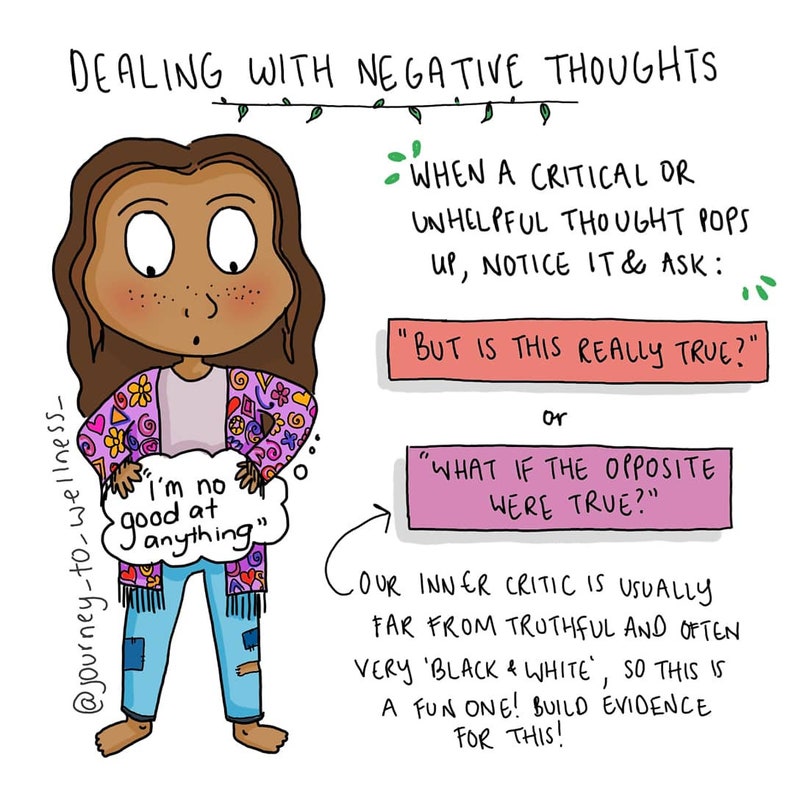
 Find some inspirationBack up
We have brought together some of the best ideas, inspiration and quotes on our Pinterest board.
(Login not needed)

 Find powerful influencersBack up
The young people we work with have picked out some of the social media influencers who inspire them. Let us know who else you think should be on this list by emailing Participation@nhft.nhs.uk
- Body positivity and eating disordersBack up
Recovery Connor - body positivity and eating disorder advocate
You can head to the Recovery Connor's Instagram or listen to his podcast to find out more about eating disorders and body positivity.I-Weigh - body positivity
You can access I-Weigh's Instagram or listen to the I-Weigh podcast for body positivity information.Jay Shetty - body and mind positivity advocate and author
You can access Jay Shetty's website or his YouTube channel to find out more about body and mind positivity or listen to his podcast On Purpose.Hope Virgo - body positivity and eating disorder advocate
You can access Hope Virgo's website or her Twitter or Instagram for more information on body positivity and how she overcame her eating disorder.Nabela - body positivity and wellbeing advocate
You can access Nabela's self-care tips on her Instagram and YouTube channels. - HealthBack up
Dr Alex George - UK Youth Mental Health Ambassador and physician
You can head to Dr Alex' Instagram, his Twitter channel or watch his videos on YouTube. - Mental wellbeingBack up
PsychologywithLee - mental health awareness
You can access Psychology with Lee on her Instagram.Honestly Holisitic - anxiety and wellbeing
You can access Honestly Holisitic's Instagram to find out more about how to manage anxiety.Jim Kwik - mental wellbeing
You can access Jim Kwik's website or find out more on his YouTube channel.The Depression Project - breaking down stigma on depression and mental health
You can access The Depression Project's website for more information about their work against mental health stigma. Find out more about The Depression Project on their Facebook, Instagram,and TikTok channels. - QuotesBack up
Anonymous Positive Love - positivity and quotes
You can access Anonymous Positive Love on Instagram.The Good Quote - wellbeing and motivation
You can access the Good Quote on Instagram.
 Read new ideas and updatesBack up
Some helpful tips
Things that can help keep you mentally well
- Good physical health, eating well, exercising
- Going outside and getting some fresh air
- Taking part in activities, joining groups or classes in something you enjoy
Other important factors that can help keep you mentally well
- Feeling valued and understood
- Having opportunities to learn and succeed
- Feeling you have control over your own life
- Having a sense of belonging
- Having the strength to cope when things go wrong
- Recognising what you are good at and your strengths
For more tips check out the 10 Keys to Happier Living
Read new ideas
Thinkng about new ideas and reading about other people's can help improve how we feel. Check out our blog for inspiration and ideas.
 Relax and gameBack up
Here are some of favourite relaxing games:
Note: NHFT provides the following links as suggested tools. We cannot take any responsibility for content provided on third-party websites or apps. NHFT does not endorse any adverts that appear on this third-party content.
Mindful colouring
Pixilart - colour by number colouring book
Happy Color
Access Happy Color on the Google Play store
Access Happy Color on the Apple app storeHoop Stars
Access Hoop Stars on the Google Play store
Access Hoops Stars on the Apple app storePeak - brain games and training
Access Peak on the Google Play store
Access Peak on the Apple app storeNumpuz - classic number games and free riddle puzzle
Access Numpuz on the Google Play store
Access Numpuz on the Apple app store Watch videos or listen to podcastsBack up
Watch a video
We have put together some great videos full of tips and advice.
Check out the iDiscover video collection
Listen to podcasts
These are some of our favourite podcasts. Find these on Spotify, Apple Podcasts or wherever you listen to your podcasts.
Note: NHFT provides the following podcasts as suggested tools. We cannot take any responsibility for content provided on third-party podcasts
- Calm
- Get Sleepy with Spotify podcast
- Good Vibes, Good Life with Vex King
- Happy Place with Fearne Cotton
- I-Weigh with Jameela Jamil
- Mental: Destigmatise Mental Health
- Mindful in Minutes
- Open Mind with Frankie Bridge
- Radio Headspace by Headspace
- Recovery Connor
- The Introvert's Bubble
- The Self Care Club
- The Waiting Room with Dr Alex George
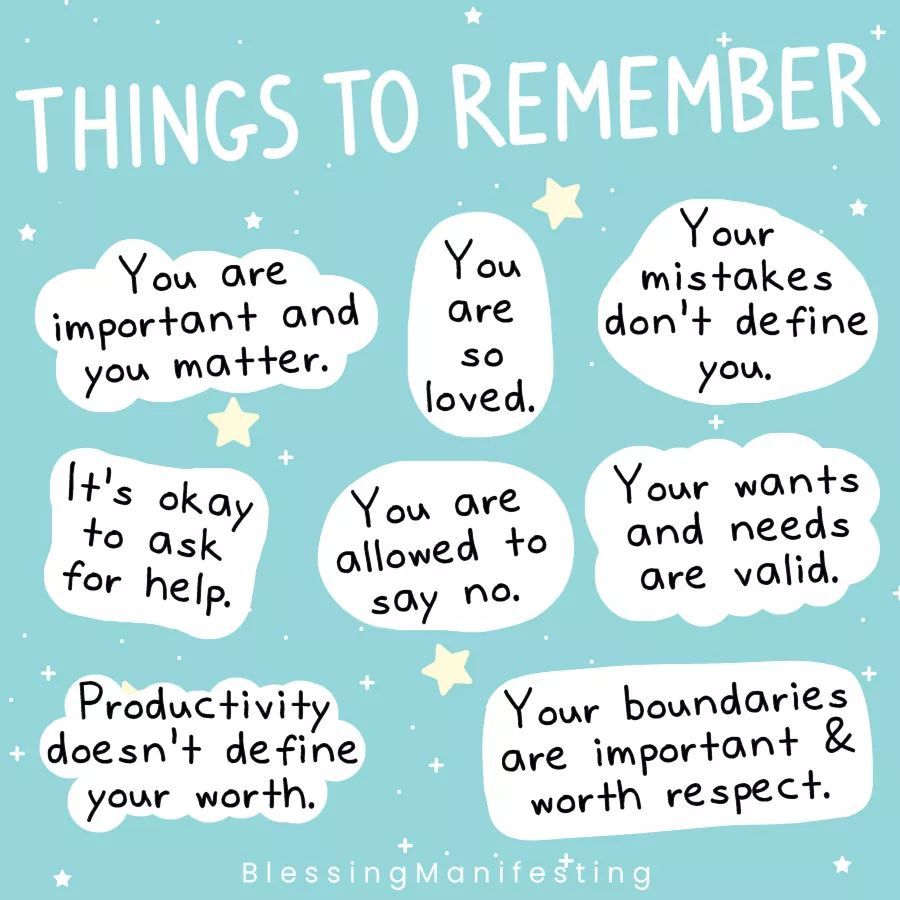
Support
There are lots of services in Northamptonshire ready to support you. To get you started did you know you can:
- Text a school nurse - for friendly, helpful advice on almost any health questions you have. This service is designed for 11- to 19-year-olds. Text 07507 329 600 or use the live online chat service (Monday to Friday, 8.30am to 4.30pm)
-
For any further information about the health of children aged between 0 and 19, you can access helpful advice, support and signposting to services available at Children's 0-19 Services
Mental health support from NHFT:
-
Live chat about your mental health - talk to us on CAMHS live 9am to 7pm, Monday to Friday
-
Phone about your mental health - the consultation line for parents, carers, young people and professionals is available 9am to 7pm, Monday to Friday on 0800 170 7055
-
Visit a Northamptonshire Drop-In - no need to book an appointment, just pop in and chat to the teams about how things are going for you. Find out more about Northamptonshire Drop-Ins
If you are in a crisis, at risk of self-harm or suicide - the CAMHS crisis team is open 24/7 and can be accessed by calling 0800 170 7055
If your life is at imminent risk, call 999 for emergency help
Check out all NHFT services for young people
Family Hubs
West and North Northamptonshire are developing a network of Family Hubs. These offer a range of services for families with children aged from 0 to 19 years, and young people aged up to 25 with special educational needs and disabilities. Find out more about Family Hubs and the services on offer:
Local offer for children with special educational needs and disabilities (SEND)
Whether your child has a diagnosed condition, is waiting for assessment, or you think your child may have SEND, there are help and support services available. Find out more about your local offer for children with SEND:
Other services to support you
We have also gathered together some really useful organisations and services that are here to support you, your parents / the person who cares for you.
Click on any of the headings to see a full list of the services available.
Please note NHFT provides this list of services for information and is not responsible for any of the services offered outside of the organisation.
- Emotional support
- ChildlineBack up
Support for those under 19 with any issues they’re going through. Including mental health support. You can talk about anything.
Whether it’s something big or small, trained counsellors are there to support. Childline is free, confidential and available any time, day or night. Support can be given over the phone or through a 1-2-1 counsellor chat online.
Phone 24/7: 0800 1111
One-to-one counsellor chat: 1-2-1 counsellor chat | Childline
Website: Childline | Childline
- SamaritansBack up
To talk about anything that is upsetting you, you can contact Samaritans 24 hours a day, 365 days a year. Via telephone or email.
Phone: 116 123 (free from any phone)
Email: jo@samaritans.org
Website: www.samaritans.org
- SANElineBack up
If you’re experiencing a mental health problem or support someone else, you can call SANEline. 4:30-10:30pm everyday.
Phone: 0300 3047000
Email: info@sane.org.uk
Website: www.sane.org.uk/how-we-help/emotional-support/ saneline-services
- SupportLineBack up
SupportLine provides a confidential telephone helpline offering emotional support to any individual on any issue. The Helpline is primarily a preventative service and aims to support people before they reach the point of crisis. It is particularly aimed at those who
are socially isolated, vulnerable, at risk groups and victims of any form of abuse. Support Line also provides support by email and post.
Phone: 01708 765200
Email: info@supportline.org.uk
- SHOUT Text Support LineBack up
If you’re struggling to cope and need to talk, trained Shout Volunteers are there 24/7. Shout is a free, confidential, anonymous text support service.
Text SHOUT to 85258
- Campaign Against Living MiserablyBack up
Leading a campaign against suicide. Support service is struggling with mental health, standing up to stereotypes, and standing together to show life is always worth living. If you are male, you can call CALM or use their webchat service.
Helpline: 0800 585858 (5pm-midnight everyday)
Webchat service: www.thecalmzone.net/help/webchat/
- Northamptonshire MINDBack up
Counselling is available at all the Mind’s in the county. The counselling service can help explore the client’s situation or any difficulties that they may be experiencing in a safe and confidential environment. A free initial consultation will be offered where the counselling process will be fully explained. Sessions are held weekly, initial offer is 12 session, to be reviewed 6 weekly.
A fee may be charged for additional or further support.
Each Mind has their own referral forms. Once the referral has been received, contact with the client will be made to arrange a counselling assessment. Please contact local Mind for further information:
- Corby – 01536 267280
- Kettering – 01536523216
- Rushden – 01933 312800
- Daventry – 01327 879416
- Northampton – 01604 634310
- Wellingborough – 01933 223591
Website: www.northamptonshiremind.org.uk
- Your mental health
- Action for HappinessBack up
Whether you're a young person looking for support or an adult who cares for children and young people in any capacity, this website offers a range of resources to help you create more happiness for yourself and others.
- Beat Eating DisordersBack up
National Helpline exists to encourage and empower people to get help quickly. People can phone in or use the webchat. Beat will listen and help to understand the illness and support you to take positive steps towards recovery. They also support family and friends by equipping them with essential skills and advice, so they can help their loved ones recover whilst also looking after their own mental health. They offer range of services including peer support.
Phone: 0808 801 0677
- CAMHS Crisis Line and CAMHS ConnectBack up
CAMHS Connect is part of the wider Core CAMHS in Northamptonshire and offers online chat and a telephone service for children and young people.
Phone: 0800 170 7055 (St Mary’s Hospital)
Website: CAMHS in the Community | NHFT
- CAMHS LiveBack up
CAMHS Live helps young people aged 13 to 18 access the mental health services they might need. Live chat online available Monday-Friday, 9am-7pm to speak to an advisor:
Website: CAMHS Live | NHFT
- Charlie Waller TrustBack up
Provide mental health training, resources, and consultancy with a focus on children and young people.
Phone: 01635 869754
- CHAT HealthBack up
Text to 07507 329 600 (Mon-Fri 9am-4pm) to chat with a school nurse. Chat Health is free service for ages 11-19 who want confidential health and advice. The team can advise on alcohol and drugs, body image, bullying, exam anxiety, family issues, healthy eating, mental health, relationships, self-harm, smoking, social networking and other issues.
Website: Children’s 0-19 Services | NHFT
- Community Counselling ServicesBack up
REACH Collaboration provides professional and confidential youth counselling for young people across the County of Northamptonshire. REACH is five existing, agencies:
CHAT Youth Counselling
- 01832 274422,
- CHAT - Free Youth Counselling & Advice Service
Service Six
- 01933 277520,
- Service Six
The Lowdown
Time 2 Talk
Youth Works
- 01536 518339,
- Youth Works Northamptonshire
- The Frank Bruno FoundationBack up
The Frank Bruno Foundation primary function is to provide a safe environment with the aim to improve the mental wellbeing of participants who are facing or recovering from mental ill health. The Frank Bruno Foundation directly supports participant in building self-esteem, confidence, resilience and discipline. This is done through the delivery of there RoundByRound 12-week wellbeing and non-contact boxing programme. Complemented by a need led wrap around support service. Programme developed for anyone over the age of 13 years old who has been referred by a professional body. Support is also available for parents or carers, who need or want advice and information about emotional wellbeing and mental health services.
Email: lisa@thefrankbrunofoundation.co.uk to start a referral. Once an email is received, a referral form will be sent to complete.
Website: Home - The Frank Bruno Foundation
- The MixBack up
Free, confidential support for young people aged 11-25 via crisis messenger text service and freephone. Text SHOUT to 85258. Please note that Shout is a separate and external organisation from
The Mix. Crisis text line can help with urgent issues such as: Suicidal thoughts, abuse or assault, self-harm, bullying, relationship breakdown or call free on 0808 808 4994, phones are open 7 days a week from 3pm-12am.
- Northamptonshire Drop-InsBack up
Northamptonshire Drop-Ins
If you need support with your mental health or find yourself in crisis then we're here to listen and help you in your time of need.
Northamptonshire Drop-Ins are for young people aged 8 to 25 years, their parents and carers. Our drop-in sessions have professional mental health workers who can offer you a safe space to talk and be listened to. There will also be wellbeing activities, telephone support available, one-to-one support and peer support.
We'd also like you to tell us what you need from us, and how best we can help and support you in times of crisis. Parents and carers are also welcome to gain support, advice and information on our services.
If you'd like to, do come along to a Northamptonshire Drop-In. Drop-ins are open across Northamptonshire and you don't need an appointment - just drop in during opening hours.
You can find all our drop-in locations and opening hours on our Northamptonshire Drop-Ins web page.
Northamptonshire Drop-Ins are a joint project delivered by the REACH Collaborative.
- RE:StartBack up
RE:Start is exclusively for 16 – 25 year olds, who live in Northamptonshire, and need additional support with navigating mental health services.
This time can already be challenging for many young people, with big life changes and transitions being difficult to navigate – without adding mental health issues on top of this. RE:Start works on a referral basis, which can be done as a self-referral or can be done by a professional on your behalf.
RE:Start operates on a personal, goal-driven and holistic approach to the support provided to you. Building trust and gaining a robust understanding of your needs, whether this be with education, employment, housing or any other complex area of life which is made more difficult when navigating the world of mental health services. This flexible approach allows us to not be a time-limited service, we can offer support for as long or as little as you need, and in agreement with your allocated support worker to meet your agreed upon goals.
The ethos and culture of the service is solution-focused, strengths-based, personalised, flexible and is able to work with a variety of complex needs, regardless of diagnosis.
West / South Northamptonshire area
- Phone: 016404 634385
- Email: helenheng@thelowdownnorthampton.co.uk
- Website: RE:Start - Welcome | The Lowdown
North / East Northamptonshire area
- Phone: 01536 518339
- Email: sbream@youthworksnorthamptonshire.org.uk
- Website: RE:Start « Youth Works Northamptonshire
- Young MindsBack up
Mental health charity for children, young people and their parents, making sure all young people can get the mental health support. YoungMinds offer a text line service that provides free, 24/7 text support for young people across the UK experiencing a mental health crisis. All texts are answered by trained volunteers, with support from experienced clinical supervisors.
Text SHOUT to 85258, Please note that Shout is a separate and external organisation from YoungMinds.
Parents Helpline: 0808 802 5544 (Monday - Friday 9:30am - 4:00pm)
Website: YoungMinds | Mental Health Charity For Children And Young People | YoungMinds
- Family support
- NHFT 0-19 ServiceBack up
Northamptonshire Healthcare NHS Foundation Trust 0-19 service provides Healthy Child Programme; a planned series of contacts (face to face or virtual via video call) with children and young people up to 19 years old and their families. These contacts are provided by a healthy visitor for children who are pre-school age, and school nurses who help to look after children who are school age. There is an infant feeding support team; family nurses (if you are under 18 and pregnant), and children's weight management and continence services
Website: www.nhft.nhs.uk/0-19
- Childrens Admin HubBack up
Phone: 0800 170 7055 (Monday to Friday, 8am to 5pm)
Email: CUSadminhub.nhft@nhs.net
Live chat: Children's 0-19 Services (Monday to Friday, 9am to 5pm)
- Infant FeedingBack up
Helpline: 077951 10109 for feeding advice and support (Mon - Fri 9am - 3pm)
Email: Infantfeeding.team@nhs.net
- Chat HealthBack up
Text a school nurse for friendly, helpful advice. This service is designed for 11-19 year olds:
Phone: 07507 329 600 (Mon-Fri 9am-4pm)
- Health Visitors FacebookBack up
Run by local health visitors to bring you the very latest advice and information
- School Aged Immunisation servicesBack up
Phone: 0800 170 7055 (option 5) if you have query relating to your school aged child’s immunisations (Monday to Friday 8.30am- 4.30pm)
- 0-19 Live ChatBack up
Click the orange button on the bottom right-hand side of the page: www.nhft.nhs.uk/0-19
Book, change or cancel appointments with the 0-19 service, ask for advice, information or signpost to local resources and services. Ask general queries regarding the 0-19 service and also request a call back from a duty health visitor or school nurse regarding your child’s health, wellbeing or behaviour.
- Positive Parenting programmeBack up
Northamptonshire Children's Trust's group work parenting programmes provide essential support to families, offering them skills and resources to navigate the complexities of bringing up a child.
These programmes equip parents with effective communication, discipline strategies, and stress management techniques, promoting positive family dynamics and children’s well-being.
Programmes are available to book onto now for:
- Parents of children aged 0 to 12
- Parents of teenagers
- Parents of children with additional needs
- Parents who are experiencing personal distress from separation or divorce which is impacting on or complicating their parenting
Website: Parenting Support and Resources | Northampton Children's Trust (nctrust.co.uk)
- ProspectsBack up
Prospects (part of Shaw Trust Midlands) provides the careers service for Northamptonshire, making sure young people who are Not in Education, Employment or Training (NEET) can access the guidance and support they need to progress.
Phone: 0800 731 3219
Website:
- Strong StartBack up
Strong Start is a team of experienced Early Years professionals who support families in North and West Northamptonshire from pregnancy through to starting school in Reception Class. They closely with health and children's services and support any parent who gets in touch. Strong Start provide virtual support to parents through telephone, Zoom and social media on a 1:1 and group basis, as well as face-to-face groups in outdoor spaces and community venues.
Phone: 07880 136070
Email: strongstartteam@westnorthants.gov.uk
Website:
- Northamptonshire Childrens Trust - Early HelpBack up
Early help means working with you and your family to ensure that you receive the right help and support as soon as you need it. Early help is for everybody, for families with children and young people of any age. And it's your choice whether to access it or not. There are lots of reasons why you might want some support including:
- Advice about your child's health, development or behaviour
- How your child is progressing at school
- Caring for a child with a disability or additional needs
- Concerns you have about money or housing that is affecting your family
- Help around domestic abuse, drugs, alcohol or crime
- Bereavement support
- Being a young carer
Email: cfss@nctrust.co.uk
Website: Support for Children and Families | Northampton Children's Trust (nctrust.co.uk)
- Children and Family Support Service - Supporting FamiliesBack up
CFSS offer a range of early support services to children, young people and families across Northamptonshire with the aim of strengthening families and stopping problems from escalating, including helping professionals to strengthen the support they offer to children and families.
Email: cfss@nctrust.co.uk
Website: Early help and support for parents and carers - Families and carers (nctrust.co.uk)
- Emotion CoachingBack up
Emotion Coaching is an approach to support parents to help their children when they feel distressed. It works for the little things and the big things. Emotion Coaching is a naturalistic parenting approach which has been observed in research to have a beneficial impact on children’s emotional and physical health, their capacity for empathy and their social relationships.
Phone: 01536 518339
- HibiBack up
Hibi is an app to support families of children with developmental differences and health conditions, providing access to care management tools and expert guidance.
Website: Hibi.health
- Special needs support
- After Diagnosis Support Pack ASDBack up
The Neurodiversity Support Pack is for families following a diagnosis of a neurodiversity, and contains information, resources and signposting.
- Autism CentralBack up
Autism Central aims to make it easier to learn more about autism and services available to you as a parent/carer.
Email: 20info@autismcentral.org.uk
Website: Autism Central for Parents and Carers | Autism Central
- Autistic Children Embraced ACEBack up
Autistic Children Embraced (ACE) is parent support group in Kettering offering help, support, information and friendship to make life easier for families.
The group meets on the second Tuesday of the month (7.30-9.30pm) at Kingsley School in Kettering.
Contact number: 07756 523728
- ContactBack up
Contact is a charity for families with children with disabilities. They provide support with information and advice, workshops and events and 1:1 emotional telephone support for parents/carers.
Freephone: 0808 808 3555
Website: Contact: the charity for families with disabled children
- The Cube DisabilityBack up
Northamptonshire’s largest independent care provider for adults with learning disabilities and autism. Providing a fun and modern care provision for adults, aged 18 and over, with learning disabilities and autism. Also operate a dance school for SEN children and their siblings. Further information and information of support available via there website.
Phone: 01604 843777
Email: hello@thecubedisability.co.uk
Website: The Cube Disability
- EHCP Help - Council for disabled childrenBack up
Education, Health and Care plan (EHCP) is a legal document that describes a young Person’s special educational needs, the support they need and the outcomes they would like to achieve. The plan if approved must be provided by the Local authority. The young person must meet the criteria of:
- Whether the Young person has or may have Special Educational Needs (SEN).
- Whether they may need special educational provision to be made through an EHC plan.
If the answer is yes to both questions, then the local authority must carry out an EHC needs assessment. Parents can self- request online using the local authority website.
If the learning difficulty or a disability is holding the young person back at school, you can speak to the schools SENCO before applying for an EHCP. The local authority have 6 weeks to respond as to whether they will assess. The local authority must notify the parent or young person of whether they will be issued a plan within a maximum of 16 weeks from the request for assessment. The first stage is Parental views which is typically a phone conversation with the local authority caseworker to go over your young person’s needs and history of SEN, when they reached milestones, any feeding difficulties, how they settled into nursery and school etc.
An EHCP can give parents and young people more choice about which school or other setting the young person can attend. The plan should be written in a way that makes it clear and easy to understand who is required to do what, when it must happen and how often it should be reviewed.
An EHCP is split into four areas of need:
- Communication and Interaction
- Cognition and Learning
- Social, Emotional and mental health
- Sensory and Physical
West Northamptonshire Council EHC Plan
Phone: 01604 368948
Daventry and South Northants Email: EHCDav.ncc@westnorthants.gov.uk
Northampton Email: EHCNorthampton.ncc@westnorthants.gov.uk
Website: Education, Health and Care (EHC) plans, process and assessment | West Northamptonshire Council
North Northamptonshire Council EHC Plan
- Corby – 01604 361385, EHCNorth.Corby@northnorthants.gov.uk
- East Northamptonshire – 01604 361633, EHCNorth.EN@northnorthants.gov.uk
- Kettering – 01604 361378, EHCNorth.Kett@northnorthants.gov.uk
- Wellingborough – 01604 361485, EHCNorth.Well@northnorthants.gov.uk
Website: Guidance on Education, Health and Care (EHC) assessments and plans | North Northamptonshire Council
- ENFoldBack up
EnFold is an autism support services charity dedicated to supporting individuals and families, with or without a diagnosis, with a range of free services across the county.
The Enfold team are experts by experience in autism and other neurodiverse conditions and are able to help, support and signpost.
Services include a number of free support groups for parents, adults and young people, activities for children and families and a one-to-one autism support service (4 to 6 sessions).
The EnFold website also offers a range of helpful advice, case studies and information about the charity's services.
- General help for a child who may need help managing emotionsBack up
During moments of dysregulation, it may be helpful for them to engage in “box breathing” to regulate their breathing when they are having ‘big’ feelings. Parents often find the concept of the ‘hand brain model’ helpful if understanding this:
Close deals and automate the rest with monday sales CRM (youtube.com)
Other interventions may include access to an emotional regulatory intervention such as the Zones of Regulation Programme (by Leah Kypers) and the Interoceptive Curriculum (Kelly Mahler). These programmes provide a range of activities to help children develop skills in the area of self-regulation.
More information about Interoceptive awareness curriculums can be found at:
- Harrys PalsBack up
Emotional support to parents who have recently received a diagnosis that their child is severely ill or disabled.
Email: Harryspalscharity@gmail.com
Website: Harry's Pals
- Information Advice Support Service IASSBack up
Northamptonshire service run from the Local Authority providing free, confidential, impartial advice, guidance and support to parents of children with SEND. Providing support including training, referral to other statutory and voluntary agencies, access to local and nation support groups, telephone support and face to face meetings.
Phone: 01604 364772 (Monday to Friday (9:30-4:30pm)
North Northamptonshire
- Phone: 0300 373 2532,
- Email: sendiass@northnorthants.gov.uk
West Northamptonshire
- Phone: 0300 126 1039
- Email: sendiass@westnorthants.gov.uk
Website: About us | IASS Northamptonshire
- Local OfferBack up
The Local Offer provides information about services available for children and young people (aged 0 to 25) with special educational needs and disabilities in Northamptonshire.
- Mencap Learning Disabilities HelplineBack up
The Learning Disability Helpline is a free helpline service offering advice and support for people with a learning disability, and their families and carers. Advisors are available from 10am to 3pm, Monday to Friday.
Helpline: 0808 808 1111
Email: helpline@mencap.org.uk
Website: Learning Disability - Down syndrome - Williams syndrome | Mencap
- National Autistic SocietyBack up
Benefits and Money - National Autistic Society. This section has information about benefits that may be available for autistic people
and their families and advice on managing money.
Website: National Autistic Society
- Northants Parent Forum GroupBack up
A Parent Carer Forum is a group of parents and carers of children with special educational needs or disabilities who work with local authorities, education settings, health providers and other providers to make sure that the services they commission, plan and deliver meet the needs of disabled children and families.
- Occupational Therapy Sensory Processing Support WebsiteBack up
The following video will give you information on sensory processing and its role in your child’s everyday life: Sensory Processing Awareness Training
- SCOPE Sleep RightBack up
Offers disability information and advice to those living with a disability or caring for someone with a disability. Sleep Right is a free support service, that helps parents and carers of disabled children to improve their child's sleep. Supports families of children with diagnosed/on pathway for investigation for SEND aged 2-18 who have severe sleep problems. Professional referral only. Sleep Right in Northamptonshire is funded by the Local Authority and NHS. Contact 07875 575377 for advice on how to get a referral.
Phone: 0808 800 3333
Email: sleep.right@scope.org.uk
- Sends4dadBack up
A community group supporting dads/male carers that have a child with special educational needs and/or a disability.
Website: Support Group for Dads/male carers with a SEND child/adult
- SEND Specialist Support ServiceBack up
The SEND Support Service offers advice and support to children, young people, families, carers and a range of educational establishments for children with a wide range of special educational needs and/or autism, aged 0 to 19 years. Early intervention to assist in identifying a child’s special educational needs and disabilities and may provide advise on relevant support.
Phone: 01604 364 772
Email:
Website - SEND support mapsBack up
Residents who have concerns about a child or young person's development, or who are waiting for an assessment, diagnosis or outcome, may find this period worrying and sometimes overwhelming. Whatever stage you are at, it's important to know that support is available across West Northamptonshire for families who need it.
To make it easier for families to find the right help, the local SEND partnership has developed three new support lists covering key areas of need. Each list brings together local services, resources and information in one place. They highlight support that you and your child can access while waiting for an initial assessment or outcome.
These lists are designed to give families clear and accessible information at a time when early support can make a real difference. Whether you are waiting for an appointment, exploring early concerns, or looking for practical tools to use at home, we hope these resources help you feel more informed and supported.
ASD and ADHD support
If you have requested an assessment for your child relating to autism or ADHD, you can view a range of local services, support and information available to families while you wait for an initial assessment or outcome:
Emotional wellbeing and mental health support
For families concerned about their child's emotional wellbeing, anxiety, low mood or other mental health needs, this list outlines services and resources that can provide advice and support:
Emotional wellbeing and mental health support
Speech, language and communication support
If you are seeking help with speech clarity, language development, social communication or related needs, this list shows services that may be available to you and your child:
Speech, language and communication support
These lists are designed to give families clear and accessible information at a time when early support can make a real difference. Whether you are waiting for an appointment, exploring early concerns, or looking for practical tools to use at home, we hope these resources help you feel more informed and supported.
- SENsational Care ProvisionsBack up
SENsational Care Provisions offers fulfilling and stimulating activities for children with learning disabilities and their siblings (aged 5-18 years). It also offers day provision for adults with learning disabilities (aged 18-99 years).
Activities include:
- Dance and drama
- Health and wellbeing activities
- Life skills
- Inclusive children's dance and sensory sessions
The experienced and caring team can help clients transition to more independent lives. They also offer a personal assistant (PA) service.
Phone: 07720 323605
- Sensory NeedsBack up
Information on sensory differences found on the NAS website, who also shared information about Phoebe Caldwell’s advice on how this can impact in the classroom.
- Sleep Workshop VideosBack up
This link takes you to the Cambridge Community Service NHS Trust's webpage all about sleep. Here you can access a Prerecorded Sleep Workshop video: Sleep
Watch a prerecorded Teenage Sleep workshop video here: Teenage Sleep Workshop
- Special educational needs and disability code of practice: 0 to 25Back up
Statutory guidance for organisations which work with and support children and young people who have special educational needs or disabilities. Look at Chapter 10 – Children and young people in specific circumstances in below link.
- The Spectrum ClubBack up
Local facebook group for parents and carers who have children with
ASD providing mutual support. They run activities in the school holidays.
- Teamwork Trust NorthamptonshireBack up
Corby, Kettering and Wellingborough centres work with and support our Northamptonshire members – adults with mental health needs, autism, learning and physical disabilities – who can choose from our enabling and education projects, activities and counselling programmes. Teamwork Trust offers a friendly, supportive environment where individuals can make new friends, access education, an opportunity to gain employability skills, whilst regaining self-esteem and confidence.
- Corby- 01536 400931
- Kettering - 01536 511993
- Wellingborough- 01933 442066
Website: Teamwork Trust
- Tourettes ActionBack up
Provide online support groups for parents, adults and teenagers. Current groups are as follows:
- Parents Coffee Morning
- Adult Support Group
- Dads/Male Role Models Group
- Parent/Care Giver Evening Group
- Teen Support Group
- Q&A Drop-In Session
Live chat: Instant support via website (Monday to Friday 10am – 3pm).
Contact the Helpdesk: Send a contact form and someone will get back to you.
Request a call back by emailing help@tourettes-action.org.uk and someone will get back to you.
- Understanding AutismBack up
Understanding Autism
Many people incorrectly think of the autism as being a horizontal line and frequently ask ‘where on the spectrum are they?’. The simple answer is this does not exist. There is a wonderful resource, created by an autistic artist, which explains the autism in the context of a spectrum.
You can access this resource by visiting Understanding the Spectrum by Rebecca Burgess.pdf
- Virtual SchoolBack up
The Virtual School is a team of experienced teachers and dedicated educational professionals. They promote and support the educational attainment and progress of Northamptonshire's children in care and children previously in care.
West Northamptonshire
- Phone: 01604 365912
- Email: virtualschool@northnorthants.gov.uk
- Website: About the Virtual School | West Northamptonshire Council
North Northamptonshire
- Phone: 01604 365912
- Email: virtualschool@northnorthants.gov.uk
- Website: Virtual School | North Northamptonshire Council
- ADHD, ASD and autism services
- After Diagnosis Support Pack ASDBack up
The Neurodiversity Support Pack is for families following a diagnosis of a neurodiversity, and contains information, resources and signposting.
- Autism and ADHD resources from Northamptonshire ICBBack up
NHS Northamptonshire Integrated Care Board (ICB) has created a set of resources to help you better understand and make informed decisions about assessment pathways, medication, and available support services for autism and ADHD.
Northamptonshire ICB Autism and ADHD resources
- Autism CentralBack up
Autism Central aims to make it easier to learn more about autism and services available to you as a parent/carer.
Email: 20info@autismcentral.org.uk
Website: Autism Central for Parents and Carers | Autism Central
- Autism in girlsBack up
Autism can look different in girls. In the past, this has meant that girls with autism haven't always been diagnosed or recognised properly.
Autism in girls and non-binary people may look different...
- You might prefer to spend time with younger children, older children or adults (rather than people your own age)
- The things that interest you might seem similar to neurotypical people your age, but might be far more intense (like reading)
- You might be a 'perfectionist' at school or work, and find it hard not to finish the things you are doing
- You might mask your social differences, and 'learn' how others behave so you don't stand out. This takes A LOT of energy!
- You may feel really big emotions that are hard to control. You might find it hard to be apart from your trusted people.
- Your 'stims' (self-soothing repetitive movements) might appear less noticeable - like twirling your hair or biting your nails
- Your friendships may feel intense, controlling or short-term. Or, you might have a big friendship group, but feel disconnected from others.
Download this information as a poster: Autism in Girls poster.pdf [pdf] 156KB
Further information about autism in girls
- Autistic Children Embraced ACEBack up
Autistic Children Embraced (ACE) is parent support group in Kettering offering help, support, information and friendship to make life easier for families.
The group meets on the second Tuesday of the month (7.30-9.30pm) at Kingsley School in Kettering.
Contact number: 07756 523728
- EnFoldBack up
EnFold is an autism support services charity dedicated to supporting individuals and families, with or without a diagnosis, with a range of free services across the county.
The Enfold team are experts by experience in autism and other neurodiverse conditions and are able to help, support and signpost.
Services include a number of free support groups for parents, adults and young people, activities for children and families and a one-to-one autism support service (4 to 6 sessions).
The EnFold website also offers a range of helpful advice, case studies and information about the charity's services.
- General help for a child who may need help managing emotionsBack up
During moments of dysregulation, it may be helpful for them to engage in “box breathing” to regulate their breathing when they are having ‘big’ feelings. Parents often find the concept of the ‘hand brain model’ helpful if understanding this:
Close deals and automate the rest with monday sales CRM (youtube.com)
Other interventions may include access to an emotional regulatory intervention such as the Zones of Regulation Programme (by Leah Kypers) and the Interoceptive Curriculum (Kelly Mahler). These programmes provide a range of activities to help children develop skills in the area of self-regulation.
More information about Interoceptive awareness curriculums can be found at:
- Jam Up!Back up
Jam Up! is an app that empowers autistic children to accomplish everyday tasks (like getting dressed and cleaning teeth), taking the pressure off and making family life just that little bit easier.
- National Autistic SocietyBack up
Benefits and Money - National Autistic Society. This section has information about benefits that may be available for autistic people
and their families and advice on managing money.
Website: National Autistic Society
- Occupational Therapy Sensory Processing Support WebsiteBack up
The following video will give you information on sensory processing and its role in your child’s everyday life: Sensory Processing Awareness Training
- SEND support mapsBack up
Residents who have concerns about a child or young person's development, or who are waiting for an assessment, diagnosis or outcome, may find this period worrying and sometimes overwhelming. Whatever stage you are at, it's important to know that support is available across West Northamptonshire for families who need it.
To make it easier for families to find the right help, the local SEND partnership has developed three new support lists covering key areas of need. Each list brings together local services, resources and information in one place. They highlight support that you and your child can access while waiting for an initial assessment or outcome.
These lists are designed to give families clear and accessible information at a time when early support can make a real difference. Whether you are waiting for an appointment, exploring early concerns, or looking for practical tools to use at home, we hope these resources help you feel more informed and supported.
ASD and ADHD support
If you have requested an assessment for your child relating to autism or ADHD, you can view a range of local services, support and information available to families while you wait for an initial assessment or outcome:
Emotional wellbeing and mental health support
For families concerned about their child's emotional wellbeing, anxiety, low mood or other mental health needs, this list outlines services and resources that can provide advice and support:
Emotional wellbeing and mental health support
Speech, language and communication support
If you are seeking help with speech clarity, language development, social communication or related needs, this list shows services that may be available to you and your child:
Speech, language and communication support
These lists are designed to give families clear and accessible information at a time when early support can make a real difference. Whether you are waiting for an appointment, exploring early concerns, or looking for practical tools to use at home, we hope these resources help you feel more informed and supported.
- Sensory needsBack up
Information on sensory differences found on the NAS website, who also shared information about Phoebe Caldwell’s advice on how this can impact in the classroom.
- The Spectrum ClubBack up
Local facebook group for parents and carers who have children with ASD providing mutual support. They run activities in the school holidays.
- Understanding AutismBack up
Understanding Autism
Many people incorrectly think of the autism as being a horizontal line and frequently ask ‘where on the spectrum are they?’. The simple answer is this does not exist. There is a wonderful resource, created by an autistic artist, which explains the autism in the context of a spectrum.
You can access this resource by visiting Understanding the Spectrum by Rebecca Burgess.pdf
- Money and daily life advice
- JobcentresBack up
Jobcentres provide services for adults attempting to find employment, who need financial aid due to lack of employment and those with an illness which means they are unable to work. Jobcentre services include in-house job-advisors and telephone advisors. Claims can be made for “benefits” such as: Jobseeker’s Allowance, Employment and Support Allowance, Income Support, Universal Credit. For more information, visit local jobcentre.
Phone: 0800 1690190
- Step ChangeBack up
Comprehensive debt advice for people in the UK. Monday-Friday 9:00-17:00 & Saturday 8:00-16:00.
Phone: 0800 1381111
Website: StepChange Debt Charity. Free Expert Debt Help & Advice
- Citizens Advice BureauBack up
Provide support with a range of issues, including financial and debt support.
- Corby- 01536 265501
- Kettering - 01536 482281
- Northampton – 0344 488 9629
- Wellingborough – 0344 488 9629
Website:
- Rushden Full GospelBack up
Rushden Full Gospel provide support to people wanting to get in control of their finances, whether they are in debt or not. For those that are in debt, they offer free support and guidance in helping them to get out of debt. Support is provided through CAP Money Course.
Phone: 01933 418002 (Church Office Number)
Email: rushdenfullgospel@gmail.com
- Community LawBack up
Support with all things that require legal support. Community Law Service (Northampton and County) is a registered charity and an independent specialist social welfare advice provider. The aim of the organisation is to improve the health and wellbeing of local
residents through tackling social and financial exclusion, alleviating poverty and advancing education. This is achieved through the provision of specialist advice, casework and representation currently in the fields of Welfare Benefits, Debt, Financial Capability, Energy Advice, Housing and Immigration.
- Northampton Office – 01604 621038
- Rushden Office – 01933 313020
- Wellingborough Office - 01933 313020
Website: Community Law Service
- Turn2usBack up
Helping people in financial hardship to gain access to welfare benefits, charitable grants through an accessible website.
- Entitled toBack up
Check what benefit entitlement you are entitled to. The entitledto benefits calculator will check which means-tested benefits you may be entitled to.
Website: Benefits Calculator - entitledto - independent | accurate | reliable
- TogetherBack up
Everyone who seeks support is different and their needs are individual to them. Together believe in enabling people to lead their own recovery at their own pace by supporting their decisions about the care they receive.
Use the service finder to find local Togther service. Put in postcode/ area code and search for local housing, advocacy and community support services.
Website: Services Archive - Together for Mental Wellbeing (together-uk.org)
- Policy in PracticeBack up
Policy in Practice work with local authorities, housing associations, work and health providers, third sector and other organisations to improve the way support is delivered on the front line. They help organisations analyse the impact of policy, identify and engage the people impacted, and track the effectiveness of interventions.
Phone: 0330 088 9242
Email: hello@policyinpractice.co.uk
Website:Policy in Practice | Benefits calculator, Data analytics for local gov
- Accommodation ConcernBack up
Northamptonshire’s leading housing, debt, and benefits advice service – supporting clients by assessing and providing people
with the information, support, and skills they need to escape debt, access housing, feed their families and secure the benefits they are entitled to.
Phone: 01536 416560
Email: help@a-c.org.uk
Website: Welome to Accommodation Concern | Advice, support and housing for a better tomorrow
- The Lawyer and the NurseBack up
An advocacy service for elderly, vulnerable, and anyone who needs legal support.
Phone: 01536 516 251
Email: info@thelawyerandthenurse.co.uk
Website: Advocacy For The Vulnerable | The Lawyer & The Nurse | Kettering, England
- CerebraBack up
Cerebra have a step by step guide to fill out any Disability Living Allowance (DLA) paperwork.
- Healthy lifestyle advice
- Eating well advice
- Bread, pasta, potatoes and rice
- Dairy and alternatives
- Fruit and vegetables
- Oils and spreads
- PortionsBack up
What is The Eatwell Guide? British Nutrition (YouTube)
Front of pack label - British Nutrition Eatwell Guide (YouTube)
Food Figures - Better Health Families (YouTube)
Foods High in Fat, Salt and Sugars - British Nutrition Eatwell Guide (YouTube)
How Much Should Children Eat for Dinner? Safe Food (YouTube)
How Much Should Children Eat for Lunch? Safe Food (YouTube)
How Much Should Children Eat as a Snack? Safe Food (YouTube)
- RecipesBack up
Meatballs 'n' Sauce Recipe - Change4Life Cook Together (YouTube)
Pizza Pitta Faces Recipe - Change4Life Cook Together (YouTube)
How to Make Roasted Vegetables - Safe Food (YouTube)
How to Make a Baked Potato - Safe Food (YouTube)
How to Cook Pasta - Safe Food (YouTube)
Pepperoni Pizza Recipe - Safe Food (YouTube)
Tasty Veggie Chilli Recipe - Change4Life Cook Together (YouTube)
- Carers
- Northamptonshire CarersBack up
Northamptonshire Carers aim to offer a comprehensive support service to Carers in collaboration with organisations that complement the service they deliver – to empower Carers in improving their health, wellbeing and quality of life. A carers assessment is a useful way of working out what best fits your circumstances.
Carers Support Line: 01933 677907
Email: carers@northamptonshire-carers.org
Website: Northamptonshire Carers Association
- Northamptonshire Young Carers ServiceBack up
The Young Carers Service can offer 1-1 support, social activities, targeted groups, advocacy and family support (such as signposting to relevant agencies) where appropriate. A young carer is aged between 5yrs-17yrs. A young adult carer is aged between 18yrs-25yrs. All assessments, support plans, and support offered are individual to the family and their situation.
Phone: 01933 677907, option 3
Email: YoungCarersTeam@northamptonshire-carers.org
Website: Young Carers | Home | Northamptonshire Carers Association
- More services
- Children and Families Service FinderBack up
A directory of services - search for providers of family-related services across the county
West Northaptonshire Council Service Finder: Families Information Service directory | West Northamptonshire Council
North Northamptonshire Council Service Finder: Children and families service finder | North Northamptonshire Council
- Community Initiative to Reduce ViolenceBack up
CIRV works with gang members to show them the consequences of the life they are choosing to lead and offering them an alternative pathway through mentoring, support, job opportunities and other change programmes. Referrals can be made any time.
Phone: 07539 183975
Website: Community Initiative to Reduce Violence (CIRV) | Northamptonshire Police (northants.police.uk)
- Umbrella Fair organisationBack up
Areas of support: Social interaction, creative activities, CV writing, interview techniques, formal training and SEND parent/carer support group. Service users are taught skills such as carpentry, electrics and bicycle mechanics by qualified voluntary professionals. The users of the group have refurbished the building and frequently litter pick at the racecourse. Ad hoc activities, such as Tai Chi, song writing groups and health walks.
Includes café and snack shop.
Email: info@umbrellafair.org.uk
Website: Umbrella CEAH (umbrellafair.org)
- Wellbeing LaunchpadBack up
This is a local resource, created by our partners at the General Practice Alliance and supported by our local ICB, that collates all of the wellbeing services, resources, and groups available across Northamptonshire and surrounding areas.
If you have any queries about the resource or partners listed, you can find contact details on the website.
Website: Wellbeing Launchpad
Courses

Courses and workshops
iDiscover courses and workshops
We offer lots of free courses and workshops to help you to live well and learn new things. All our courses and workshops have been created with children, young people and those who care for them. They are a great way to find out more about who you are.
Our courses and workshops include online and in-person events.